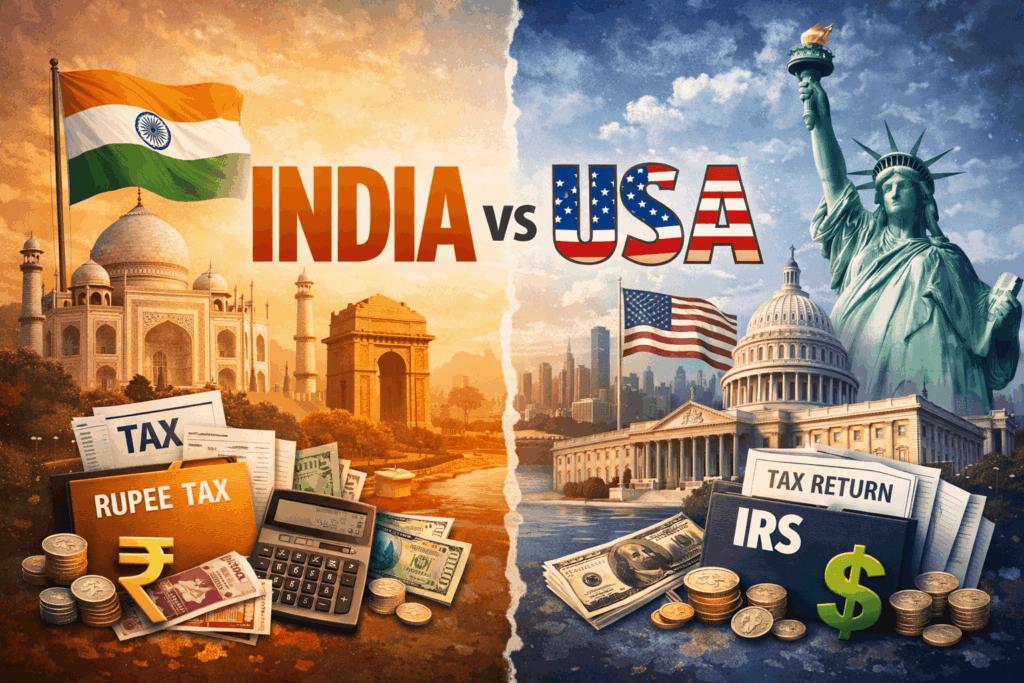
Introduction: Why U.S. Companies Are Entering the Indian Market
Today, many American entrepreneurs and companies are:
- Launching Indian subsidiaries and joint ventures
- Expanding existing U.S. businesses into India
- Building global remote teams with Indian talent
- Investing in India’s fast-growing tech, e-commerce, and services sectors
With India’s rapidly developing digital infrastructure and supportive government initiatives, global founders are eyeing tremendous opportunity. At the same time, the U.S. remains one of the most advanced and investor-friendly markets in the world.
Yet, many American founders experience a steep learning curve:
Business regulations, tax, and compliance rules in India and the U.S. differ dramatically.
Key differences include:
- How companies are registered and licensed
- Corporate tax, GST, and sales tax structures
- Accounting, filing, and compliance routines
- Foreign exchange & banking controls
- HR and employment law frameworks
Legal and operational environments can have a major impact on costs and scalability.
Understanding the Business Environment in India vs USA

The United States and India offer exciting opportunities for growth—but it’s essential to understand the ground realities in both markets.
India
- Rapidly expanding market with over 1.4 billion potential consumers
- Cost-efficient operations and high-quality technical talent
- Advanced digital platforms like UPI and government support for startups
- Layered regulatory compliance and paperwork
USA
- Highly mature legal, business, and financial ecosystem
- Robust VC investment and startup culture
- Uniform and transparent regulatory systems (though still state-specific)
- Higher cost structures for labor and compliance
Success depends on aligning your business model and strategy to the realities of each market.
Company Registration: U.S. vs India

Registering in India
Common legal forms include:
- Private Limited Company (most popular for foreign investors)
- LLP (Limited Liability Partnership)
- Sole Proprietorship (for very small, single-owner ventures)
Typical registration steps:
- Director Identification and Digital Signature Certificates
- PAN (Permanent Account Number), GST registration, and ROC filings
- Bank account opening and compliance submissions
Benefits:
- Lower setup and running costs
- Plug-in to India’s growing digital economy
Potential Issues:
- Multiple approval layers
- Heavy reliance on documentation and local advisors
Registering in the USA
Most foreign founders typically opt for:
- LLC (Limited Liability Company)
- C-Corporation (especially for tech/startup ventures, often Delaware)
- S-Corp (mainly for U.S. taxpayer founders)
Popular states for incorporation:
- Delaware (favored for legal flexibility and investor trust)
- Wyoming
- California (if operating locally)
Advantages:
- Streamlined online registration processes
- Predictable and mature legal system
Potential Drawbacks:
- Varied compliance and reporting by state
- Generally higher ongoing costs than in India
U.S. entity registration is standardized and startup-friendly for Americans; India’s process is more complex but increasingly digital.
Taxation: Key Differences for American Founders
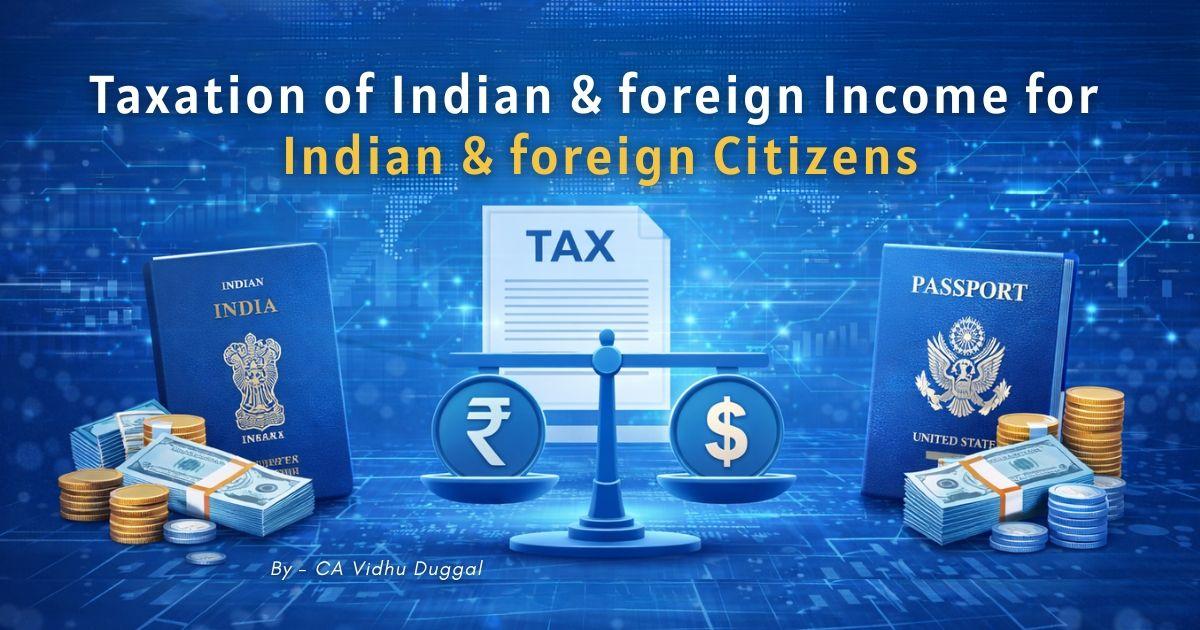
Tax implications are among the most important factors for Americans considering Indian expansion.
Indian Tax Regime
- GST for goods and services
- TDS (Tax Deducted at Source) on certain transactions
- Corporate income tax (with rates based on company type and turnover)
- Additional professional and local taxes possible
US founders should expect:
- More frequent and detailed compliance filings
- Need for on-ground accounting and tax advisors
- Careful management of cross-border tax treaties
U.S. Tax System
- Federal and state-level corporate taxes
- Sales tax (state/local) vs. India’s centralized GST
- Payroll taxes including Social Security and Medicare
U.S. compliance routines are more standardized, but state-specific nuances remain important.
Always seek out proactive tax counsel for both U.S. and India operations—cross-border taxation is complex.
Banking & Cross-Border Payment Systems
India
- Innovative payment platforms (e.g., UPI)
- Extensive government-backed digital banking
- Pay attention to inward remittance rules and FEMA restrictions
Foreign businesses deal with:
- FEMA (Foreign Exchange Management Act) compliance
- RBI (Reserve Bank of India) rules on repatriation and capital flows
USA
- Highly developed and globalized banking systems
- Investor-friendly structures for capital flow within the U.S.
- Access to credit and established payment rails
Opening accounts may require U.S. presence for due diligence, but requirements are typically clear.
Cross-border banking between the U.S. and India is possible—just make sure your structures comply with both countries’ laws.
Compliance & Reporting: Stay Ahead of the Curve

Unexpected compliance issues can derail global ventures. Plan for ongoing filings and audits in both markets.
India
- Regular GST filings and reconciliations
- Registrar of Companies (ROC) annual compliance
- Statutory audits and labor documentation
- Foreign investment reporting (FIRC)
USA
- Federal and state reporting (annual reports, BOI requirements, etc.)
- Business tax returns
- Payroll and wage compliance
- Industry-specific laws may apply (e.g., data, health, finance)
Neglecting compliance or local reporting puts U.S. and Indian operations at risk — get expert, country-specific guidance early!
Hiring & Talent: India vs USA
India
- Massive, educated workforce, especially in tech and IT
- Lower hiring costs vs. U.S.
- Cultural fit and remote collaboration well-established
Common Challenges:
- Complex local labor and employment regulations
- Need to manage payroll and statutory contributions
USA
- Specialized talent pools, open to innovation
- Well-developed recruitment and HR services
Potential Challenges:
- Significantly higher wages and expensive benefits
- Employee insurance and compliance requirements
Hybrid teams and remote work allow American companies to combine the best of U.S. management with Indian talent and efficiency.
Why American Firms Use Hybrid Business Models

Many U.S. tech and service companies now operate under hybrid structures—leveraging an American parent company with Indian subsidiaries or operations teams.
Example Structure:
- Delaware C-Corp or U.S. LLC as the global holding company
- Wholly-owned Indian subsidiary for local delivery, tech, or sales
Benefits:
- Global market reach and investor credibility
- Lower operational costs through Indian teams
- Round-the-clock service and scalability
Hybrid U.S.-India business models are now the norm for global startups and service businesses.
Common Pitfalls for Americans Expanding into India
- Ignoring Tax Planning — U.S. and Indian taxes don’t automatically “sync”; consult cross-border tax experts early.
- Underestimating Compliance — Indian rules change often and require regular updates; automate and use local advisors.
- Picking the Wrong Business Entity — Corporate form affects taxes, liability, and fundraising.
- Skipping Professional Guidance — U.S. and Indian legal/accounting systems are different; don’t reinvent the wheel.
Final Thoughts for U.S. Entrepreneurs Eyeing India
India and the U.S. both offer incredible potential, but require unique approaches.
India offers:
- Vast consumer markets and growth rates
- Cost-effective scaling, especially for tech & support roles
- Dynamic innovation in digital and fintech
The USA offers:
- Unparalleled access to funding and global clients
- Highly structured legal, IP, and compliance systems
- A culture of entrepreneurship and innovation
Optimal cross-border business depends on:
- Your industry and product-market fit
- Growth and funding requirements
- Operational risks and compliance flexibility
Conclusion
For American entrepreneurs, knowing how Indian regulations, tax, and labor rules differ from those in the U.S. is key to long-term success.
Neither market is “better”—what matters is mastering:
- Cross-border compliance
- Tax optimization
- Operational efficiency
- Scalable structure
Smart planning and expert advisors are your best tools to build a truly global business in both the U.S. and India.