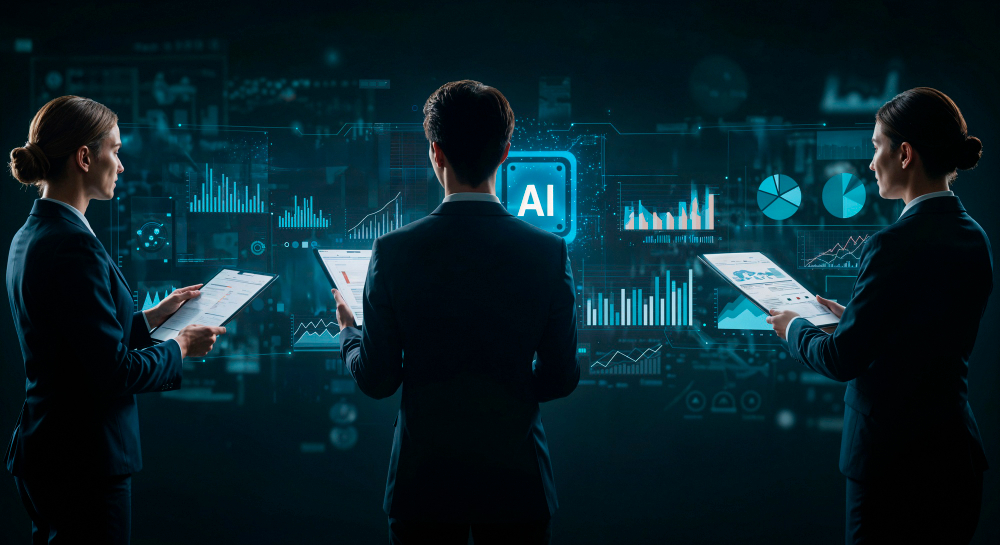
Introduction: The Rise of AI-Driven Management
For decades, middle managers acted as the operational backbone of organizations. They coordinated teams, tracked performance, handled reporting, and ensured projects stayed on schedule.
But AI systems are now capable of performing many of these functions:
- Faster
- Cheaper
- More consistently
- At larger scale
AI agents are reshaping how leadership, accountability, and operations work in modern businesses.
Why Middle Management Is Being Targeted First
Middle management historically existed to bridge the gap between executives and employees. However, many management responsibilities are highly process-driven and data-oriented — areas where AI performs exceptionally well.
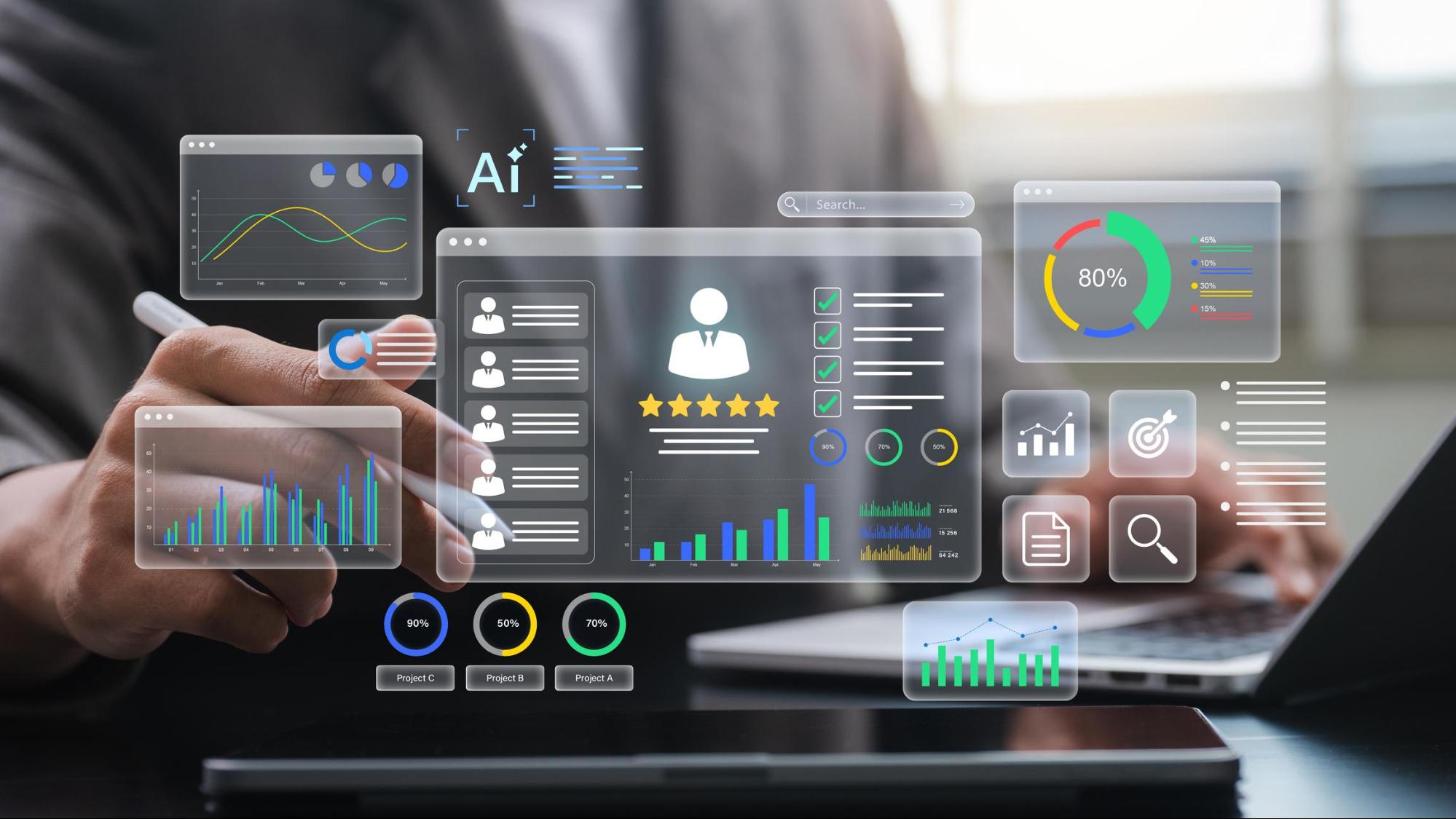
Modern AI agents can now:
- Monitor employee performance in real time
- Assign tasks dynamically
- Analyze operational bottlenecks
- Generate reports instantly
- Predict project delays
- Optimize workforce allocation
- Conduct performance evaluations
- Schedule workflows automatically
Unlike traditional software, AI agents learn patterns, adapt to changing business conditions, and generate operational recommendations independently.
Many organizations are questioning whether multiple layers of management are still necessary.
The Rise of Autonomous AI Agents
The biggest difference between older automation systems and modern AI agents is autonomy.
Traditional automation required human input at nearly every step. AI agents in 2026 can independently complete multi-step workflows while interacting with employees, software platforms, and databases simultaneously.
Examples:
- An AI operations manager redistributes workloads automatically
- A sales AI agent recommends strategy changes based on performance
- HR AI systems detect burnout risks before managers notice them
Many global companies now integrate AI agents directly into:
- Slack
- Microsoft Teams
- Jira
- Salesforce
- ERP systems
Operational decisions increasingly happen without human middle-management involvement.
Industries Seeing the Fastest Change
1. Technology Companies
- Track sprint performance
- Review code quality
- Assign engineering tasks
- Forecast delivery timelines
- Monitor developer productivity
Many startups now operate with dramatically smaller management teams because AI coordinates workflows automatically.
2. Customer Service and BPO
BPO companies increasingly rely on AI supervisors to monitor:
- Customer interactions
- Quality assurance
- Employee performance metrics
In regions like India and Southeast Asia, AI operational oversight is reducing the need for large supervisory teams.
3. Manufacturing and Logistics
Factories and logistics networks now use AI systems to optimize:
- Inventory
- Staffing
- Transportation
- Maintenance schedules
Warehouses equipped with AI coordination systems can operate with fewer operational managers because decisions are automated in real time.
4. Financial Services
Banks and fintech companies use AI agents for:
- Compliance monitoring
- Fraud detection
- Workflow approvals
- Risk management reporting
This reduces dependency on multiple administrative management layers.
The Economic Motivation Behind the Shift
The primary driver behind AI replacing middle management is economic efficiency.
Global businesses face increasing pressure to:
- Reduce operational costs
- Improve productivity
- Accelerate decision-making
- Scale globally with leaner teams
Middle management positions are expensive due to:
- Salaries
- Bonuses
- Benefits
- Organizational overhead
AI agents, by contrast, can operate continuously with minimal incremental cost after deployment.
Organizations adopting advanced AI management systems can significantly reduce administrative costs while improving workflow speed.
What Happens to Human Managers?
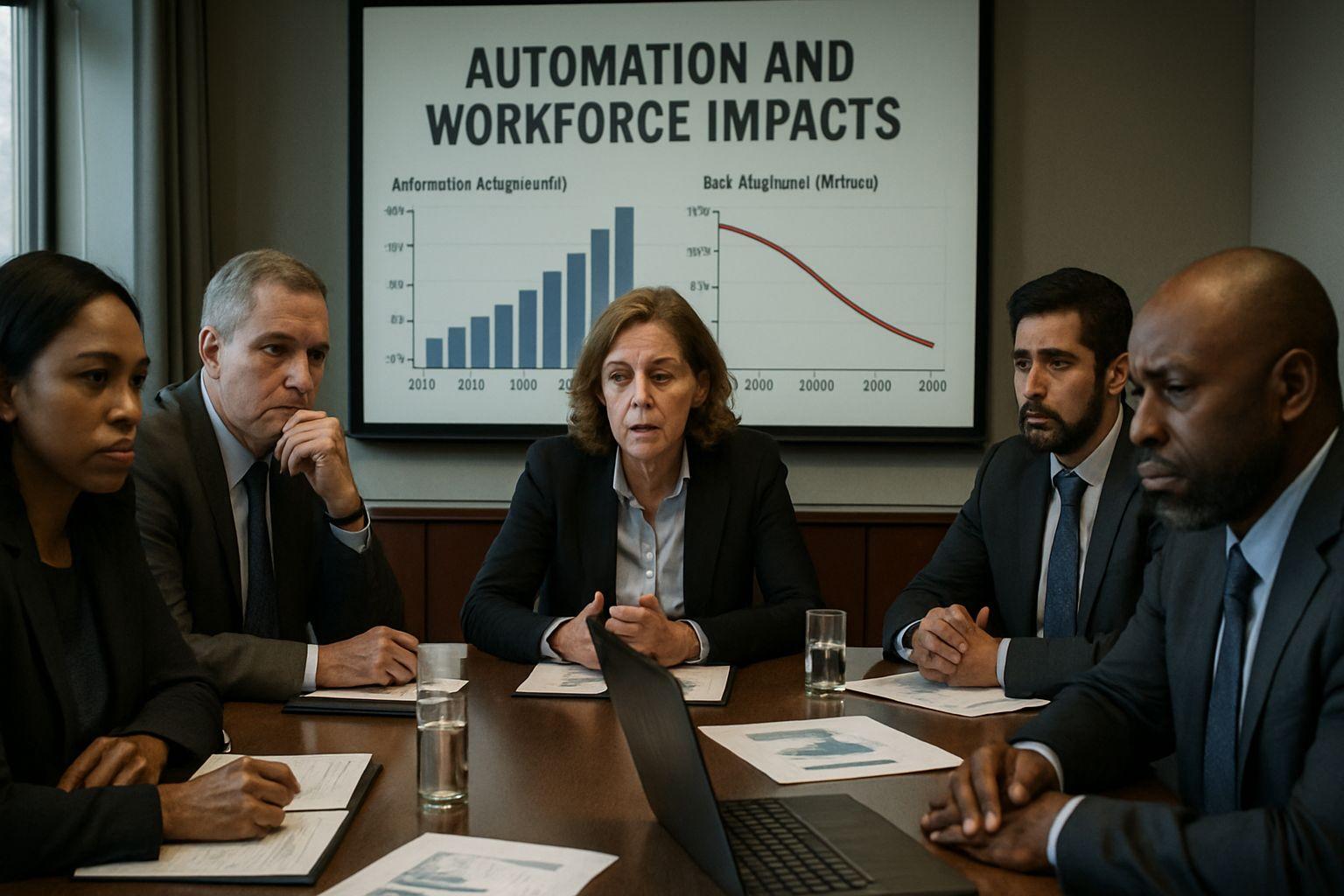
Experts do not believe human leadership will disappear entirely. Instead, the role of managers is evolving.
Routine oversight is becoming automated, but human leaders still provide qualities AI cannot fully replicate:
- Emotional intelligence
- Cultural understanding
- Ethical judgment
- Conflict resolution
- Strategic creativity
- Human mentorship
Organizations are shifting toward fewer but more specialized managers.
Managers succeeding in 2026 focus on:
- Strategic leadership
- Innovation
- Team development
- Cross-cultural communication
- AI supervision and governance
Managers are transitioning from process controllers into human-centered leaders.
Employee Concerns and Workplace Anxiety
The rise of AI management systems is creating uncertainty among workers worldwide.
Common concerns include:
- Continuous AI surveillance
- Reduced human interaction
- Algorithmic bias
- Workplace depersonalization
- Job displacement
Labor organizations in Europe and North America are already advocating for stronger AI workplace regulations to ensure transparency and employee protections.
Questions surrounding accountability are also becoming increasingly important:
- Who is responsible when AI makes poor decisions?
- How should companies handle AI bias?
- Can employees appeal AI-generated assessments?
Global Differences in AI Adoption
United States
American companies are aggressively implementing AI systems to maximize productivity and reduce labor costs.
Europe
European organizations adopt AI more cautiously due to stronger labor protections and stricter regulations.
Asia
Countries like China, Singapore, South Korea, and India are rapidly integrating AI into enterprise operations.
Middle East
Governments and enterprises in the Gulf region are heavily investing in AI-led digital transformation initiatives.
The Emergence of AI-Native Companies
AI-native companies are businesses built from the ground up with AI at the center of operations.
In many AI-native startups:
- Teams are smaller
- Decision-making is faster
- Hierarchies are flatter
- AI agents handle operations traditionally managed by humans
This model is attractive to startups aiming for rapid scalability with lower operational expenses.
Will AI Completely Replace Middle Management?
Complete replacement is unlikely in the immediate future. However, traditional middle-management roles are expected to decline significantly over the next several years.
Organizations increasingly favor:
- Smaller leadership structures
- AI-assisted operations
- Data-driven decision-making
- Human-AI collaboration models
The future workplace will combine intelligent automation with highly skilled human leadership.
Final Thoughts
The transformation of middle management in 2026 represents one of the biggest workplace shifts of the modern era.
AI agents are changing how organizations:
- Coordinate teams
- Monitor performance
- Make operational decisions
- Scale globally
The companies that succeed in this era will not simply replace humans with machines. They will combine AI efficiency with human strengths such as:
- Empathy
- Creativity
- Leadership
- Strategic thinking
The future of management is increasingly collaborative — and that transformation is already underway.