Introduction: Growth is Good—But Control is Everything
Every small business owner dreams of scaling—more customers, more revenue, and a bigger impact. But growth comes with challenges. Many businesses expand quickly and then struggle with chaos, poor management, and declining quality.
Scaling is not just about growing bigger—it’s about growing smarter.
In 2026, successful businesses scale by building systems, using automation, and maintaining control over operations.
Let’s explore how you can scale your small business without losing control.
What Does “Scaling” Really Mean?
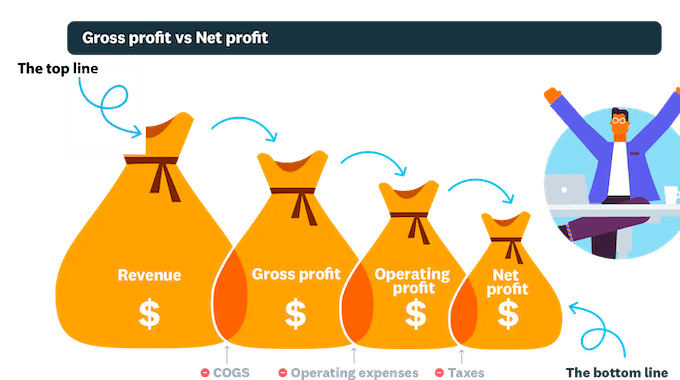
Scaling means increasing your revenue without increasing costs at the same rate.
- Example:
- Serving more customers without hiring too many employees
- Automating tasks instead of doing everything manually
- Key Insight:
- Growth = More work
- Scaling = More results with the same or optimized effort
Why Businesses Lose Control While Scaling

Many businesses fail during growth because they scale without preparation.
- No proper systems
- Poor communication
- Lack of processes
- Trying to manage everything manually
👉 Result: Stress, errors, and customer dissatisfaction.
1. Build Strong Systems First
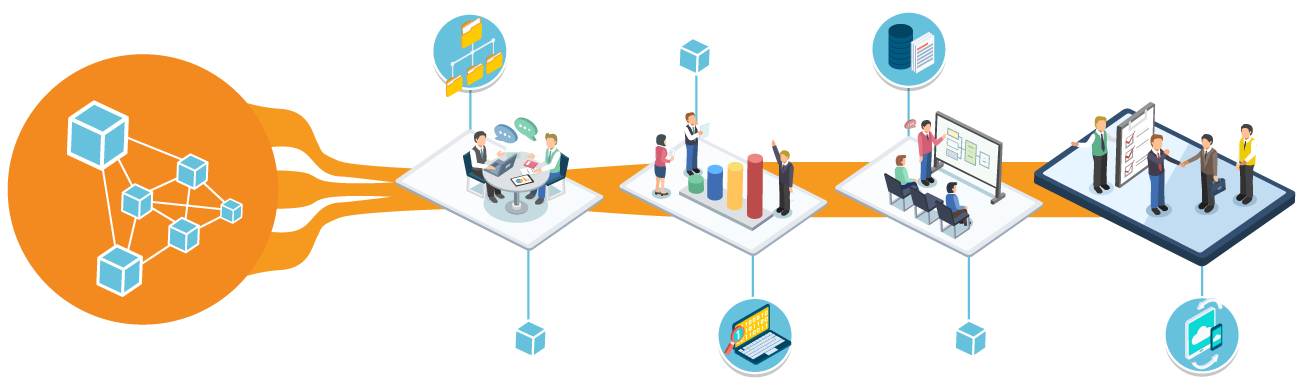
Systems are the backbone of scalable businesses.
- Document your processes (SOPs)
- Standardize workflows
- Create repeatable systems
Example:
Instead of manually handling orders, use a system that processes them automatically.
👉 Systems reduce chaos.
2. Focus on Automation
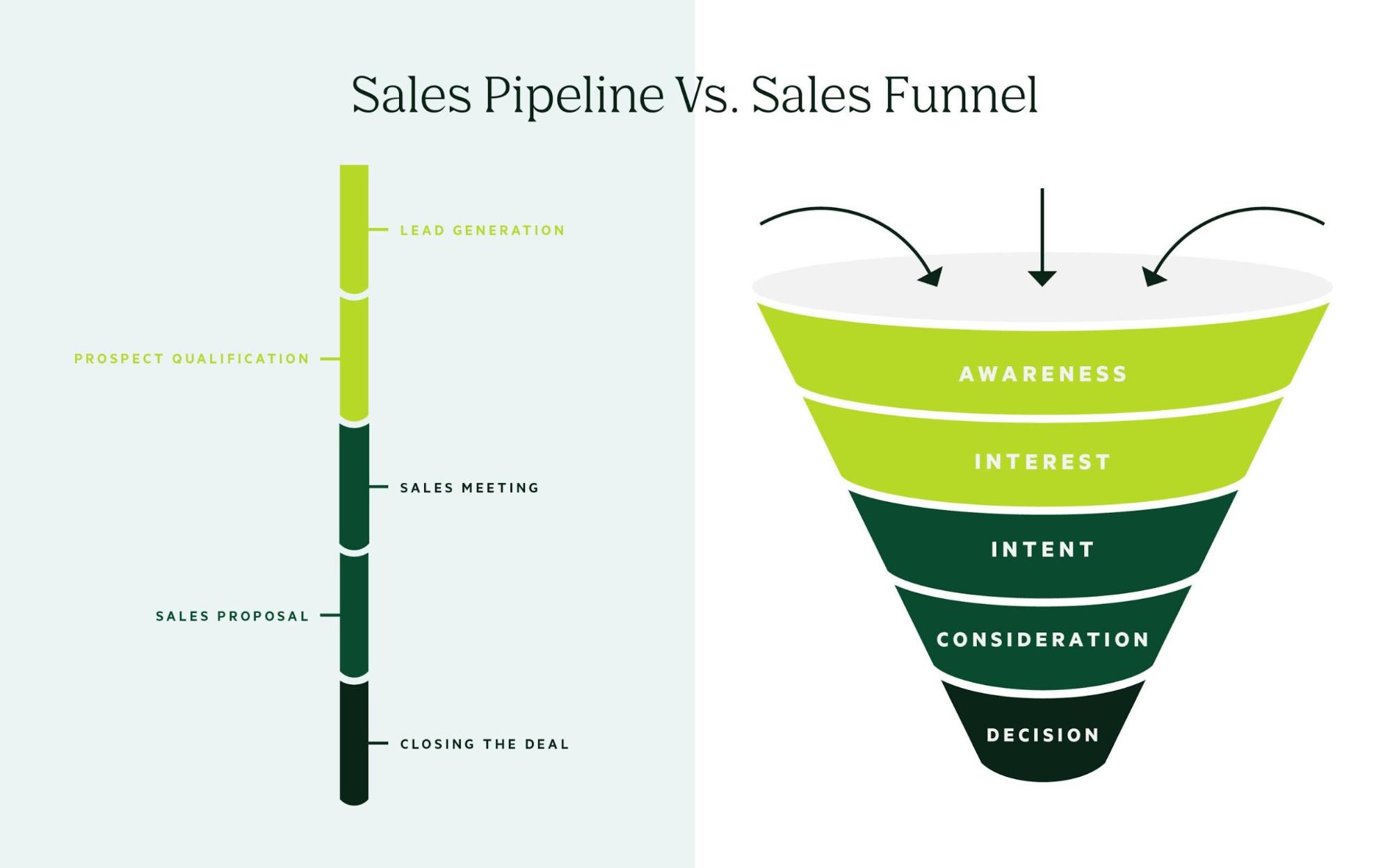
Automation saves time and increases efficiency.
- Email marketing
- Customer support (chatbots)
- Sales funnels
- Payment systems
Benefit: Less manual work → More scalability
👉 Work smarter, not harder.
3. Hire the Right People (Not Just More People)
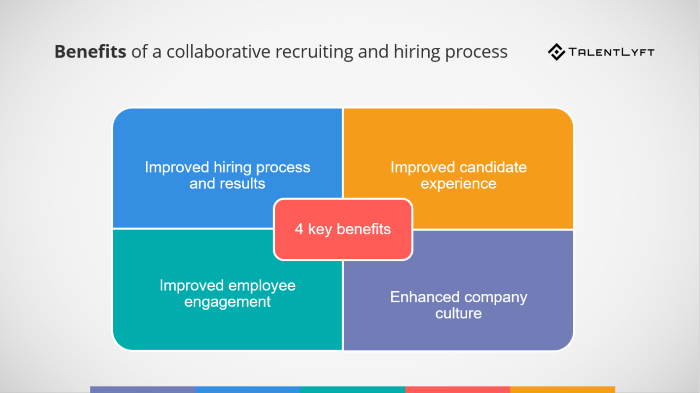
Hiring blindly can create more problems than solutions.
- Hire skilled and responsible people
- Focus on quality over quantity
- Delegate clearly
Tip: Build a team that can operate without constant supervision.
👉 A strong team = strong business.
4. Track Key Metrics

You can’t control what you don’t measure.
- Revenue
- Customer acquisition cost
- Conversion rate
- Profit margins
Why it matters: Data helps you make better decisions.
👉 Numbers tell the truth.
5. Maintain Quality as You Grow

Growth should not compromise quality.
- Mistake: Expanding too fast and losing customer trust.
- Fix:
- Set quality standards
- Monitor customer feedback
- Continuously improve
👉 Quality builds long-term success.
6. Strengthen Your Leadership

As your business grows, your role changes.
You need to:
- Think strategically
- Delegate effectively
- Make data-driven decisions
- Shift: From doing everything → to leading everything
👉 Leadership drives growth.
7. Keep Your Vision Clear
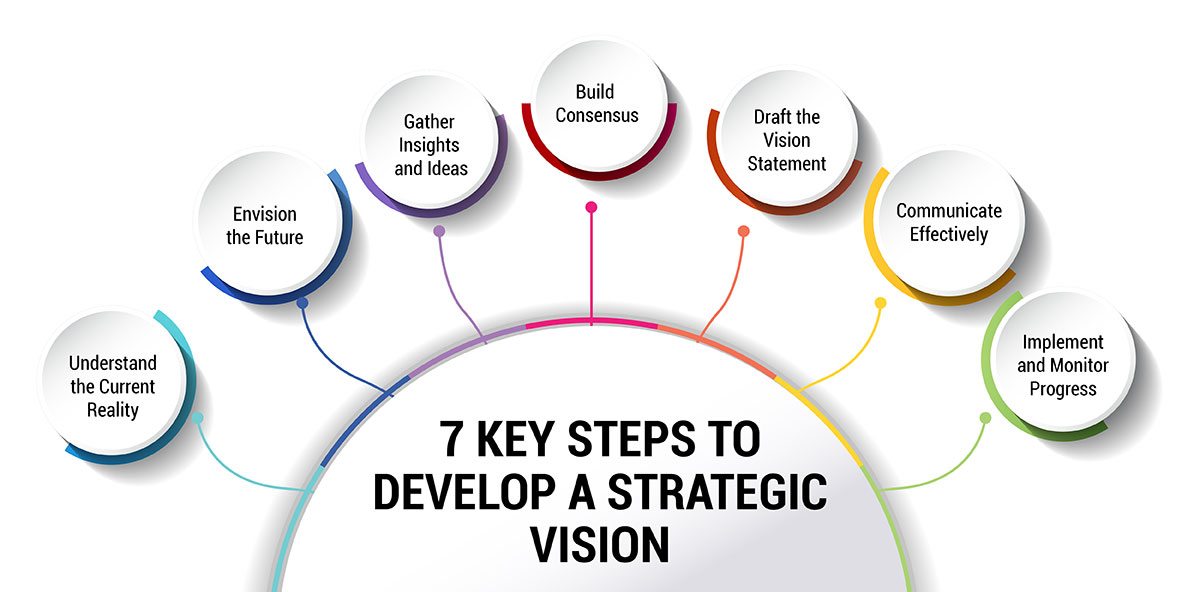
Scaling without direction leads to confusion.
- Define clear goals
- Align your team with your vision
- Stay focused on long-term growth
👉 Clarity prevents chaos.
Common Mistakes While Scaling
- Growing too fast without systems
- Ignoring customer experience
- Hiring too quickly
- Not tracking data
- Trying to control everything
Simple Scaling Framework
- Build systems
- Automate processes
- Hire smart
- Track metrics
- Maintain quality
- Lead effectively
Final Thoughts: Scale with Control
Scaling a business is exciting—but it requires discipline and structure.
If you build systems, use automation, and lead effectively, you can grow your business without losing control.
Conclusion
In 2026, the most successful businesses are not just growing—they are scaling smartly.
Focus on systems, people, and strategy.
Grow with control. Scale with confidence.