How to Recession-Proof Your Business in 2026
Economic cycles are unavoidable.
Whether triggered by inflation, geopolitical instability, changing consumer behavior, AI-driven disruption, or global market uncertainty, economic slowdowns have historically separated businesses that survive from those that struggle.
The good news?
Recessions don’t impact every company equally.
Some businesses shrink dramatically, while others emerge stronger, gain market share, and accelerate growth.
As we move through 2026, business leaders face increasing pressure to prepare for:
- Slower consumer spending
- Higher operating costs
- Increased competition
- Rapid technological disruption
- Talent and productivity challenges
The key question isn’t whether uncertainty exists. The real question is: Is your business prepared for it?
This guide provides a practical, evidence-based framework to help entrepreneurs and business leaders build resilience, protect profitability, and position themselves for long-term success.
What Makes a Business Recession-Proof?
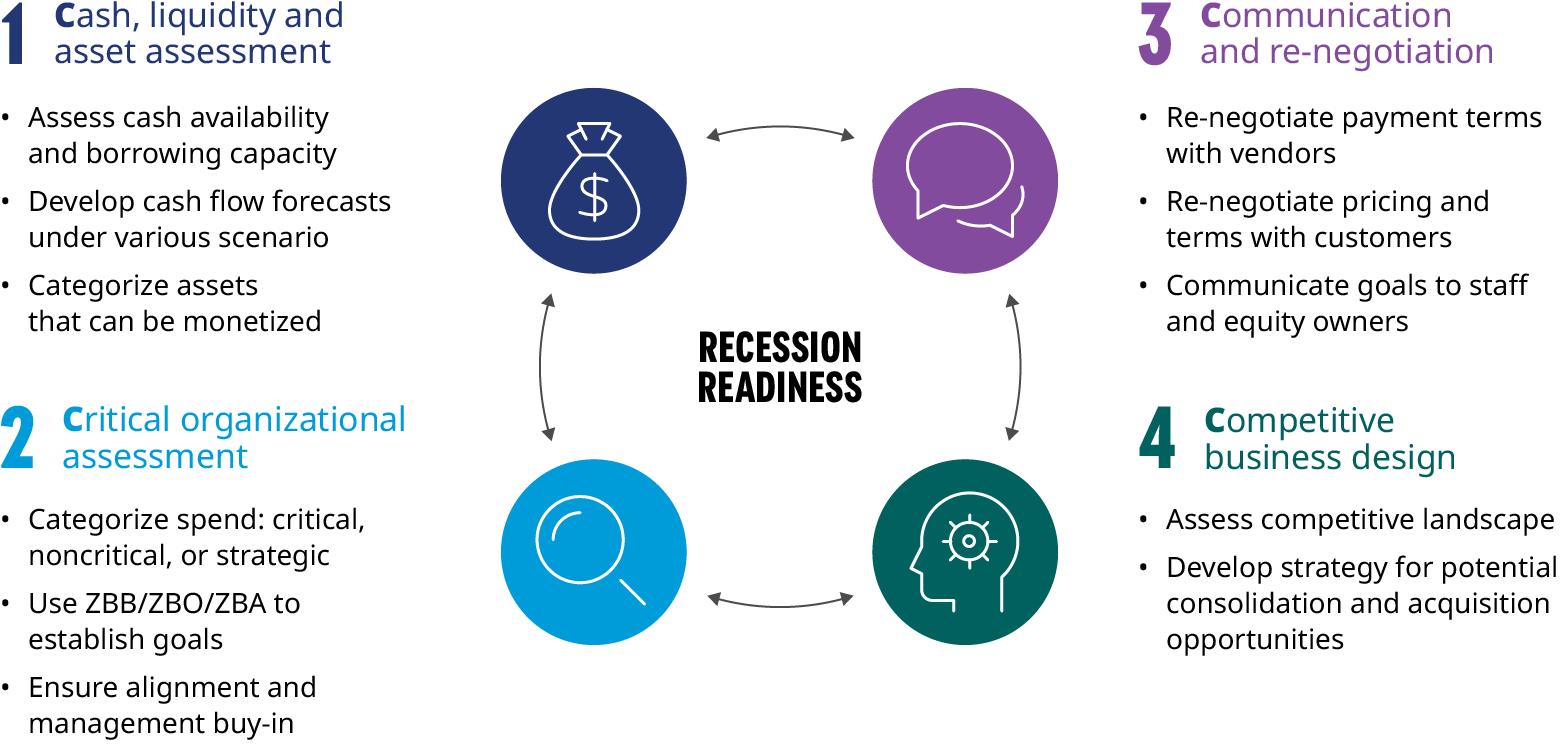
A recession-proof business isn’t immune to economic downturns.
Instead, it possesses characteristics that allow it to:
- Adapt quickly
- Preserve cash
- Maintain customer demand
- Control costs
- Capture new opportunities
The strongest businesses focus on resilience rather than prediction.
The Five Core Pillars
| Pillar | Purpose |
|---|---|
| Cash Flow Protection | Maintain liquidity |
| Revenue Diversification | Reduce dependence on one source |
| Operational Efficiency | Improve margins |
| Digital Transformation | Increase scalability |
| Business Agility | Respond quickly to change |
1. Strengthen Cash Flow Before You Need It
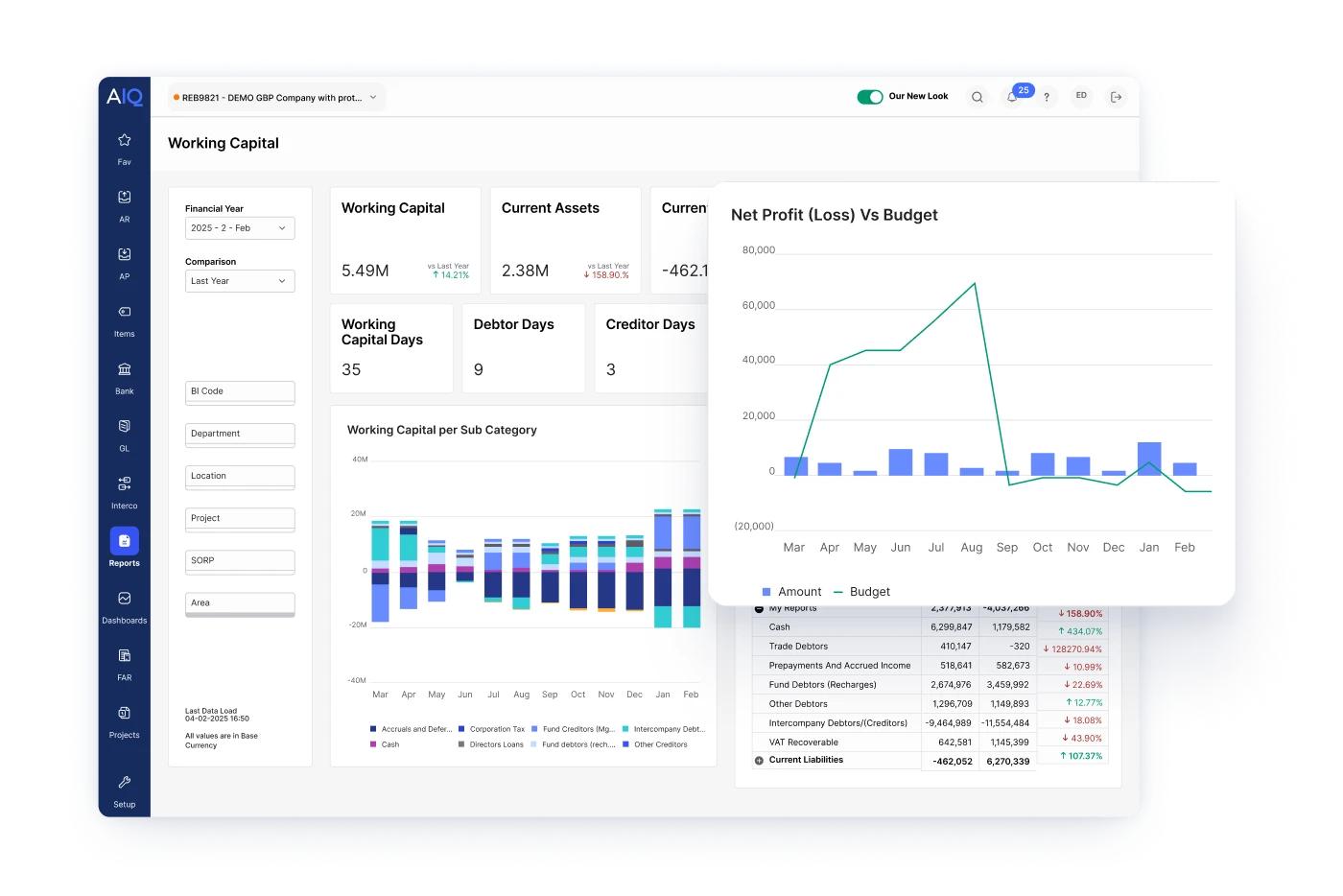
Cash flow remains the number one survival metric during economic uncertainty.
Many profitable businesses fail because they run out of working capital.
Key Actions
- Build emergency reserves
- Reduce unnecessary expenses
- Accelerate receivables
- Negotiate vendor terms
- Improve forecasting accuracy
Revenue Growth + Controlled Costs + Efficient Collections = Financial Resilience
2. Diversify Revenue Sources

Overdependence creates risk.
Many companies discover during downturns that a single customer, product, or service represents too much of their income.
Diversification Ideas
- Subscription services
- Digital products
- Consulting
- Additional customer segments
- Strategic partnerships
- International markets
Businesses with multiple revenue streams typically recover faster during economic slowdowns.
3. Invest in Digital Transformation
Economic pressure often forces businesses to become more efficient.
Technology helps achieve exactly that.
Digital Priorities for 2026
- AI-powered customer support
- Workflow automation
- CRM optimization
- Marketing automation
- Predictive analytics
- Sales automation
Technology should improve efficiency—not create unnecessary complexity.
4. Build Operational Agility

Agility is one of the greatest competitive advantages during uncertain markets.
Agile organizations can:
- Pivot faster
- Launch new services
- Adjust pricing
- Enter new markets
- Reallocate resources quickly
Signs of an Agile Business
✓ Fast decision-making
✓ Data-driven leadership
✓ Strong reporting systems
✓ Flexible operations
✓ Clear organizational alignment
5. Know What Customers Value Most

Consumer behavior changes during economic slowdowns.
Businesses that continue delivering value maintain stronger customer relationships.
2026 Customer Priorities
- Practical solutions
- Affordability
- Trust
- Convenience
- Personalized experiences
Companies that stay closest to customer needs often discover new growth opportunities during uncertainty.
Real-World Example

Imagine a digital agency entering a period of slower spending.
Instead of cutting every investment, leadership:
- Automated reporting
- Launched recurring service plans
- Added AI consulting
- Focused on customer retention
Results:
- Predictable recurring revenue
- Lower operating costs
- Higher client retention
- Improved profitability
Common Mistakes During a Recession
- Cutting all innovation budgets
- Ignoring customer feedback
- Delaying technology adoption
- Depending on one revenue source
- Making emotional decisions without data
Your 2026 Recession-Proof Checklist
Financial
- ✓ Maintain emergency cash reserves
- ✓ Monitor cash flow weekly
- ✓ Improve forecasting
Operations
- ✓ Automate repetitive work
- ✓ Improve efficiency
- ✓ Review vendor contracts
Strategy
- ✓ Diversify revenue
- ✓ Increase customer retention
- ✓ Explore new markets
Technology
- ✓ Adopt AI where appropriate
- ✓ Improve business reporting
- ✓ Invest in scalable systems
Final Thoughts
Recessions do not simply test businesses—they reveal weaknesses that already existed.
The organizations best positioned for 2026 are focusing on:
- Cash flow discipline
- Operational efficiency
- Customer value
- Technology adoption
- Strategic agility
The goal isn’t to predict every economic shift. The goal is to build a business capable of succeeding regardless of what happens next.
Ready to Assess Your Business Resilience?
📊 Download a 2026 Recession-Proof Business Checklist
🎯 Take a Business Resilience Assessment Quiz
🎓 Register for a Free Recession Readiness Webinar
🤖 Request a Personalized AI-Powered Business Health Audit
The earlier you prepare, the more options you’ll have when markets change.