Introduction: Why Budgeting is Non-Negotiable
Starting a business without a budget is like driving without a map. You may move forward, but you’ll likely end up wasting time, money, and energy.
In 2026, when costs are rising and competition is intense, a solid business budget is essential for survival and growth.
Whether you’re a startup founder, freelancer, or small business owner, this guide will help you build a business budget from zero, step by step—without any financial background.
What is a Business Budget?

A business budget is a financial plan that outlines:
- Expected income
- Estimated expenses
- Profit goals
It helps you control spending and make smarter decisions.
Why Budgeting Matters for Your Business
 Key Benefits:
- Financial Control
You know exactly where your money is going. - Better Decision-Making
Helps you avoid unnecessary expenses. - Profit Planning
Allows you to plan for growth and savings. - Risk Management
Prepares you for unexpected situations.
Budgeting is not optional—it’s foundational.
Step-by-Step: Build Your Business Budget From Zero
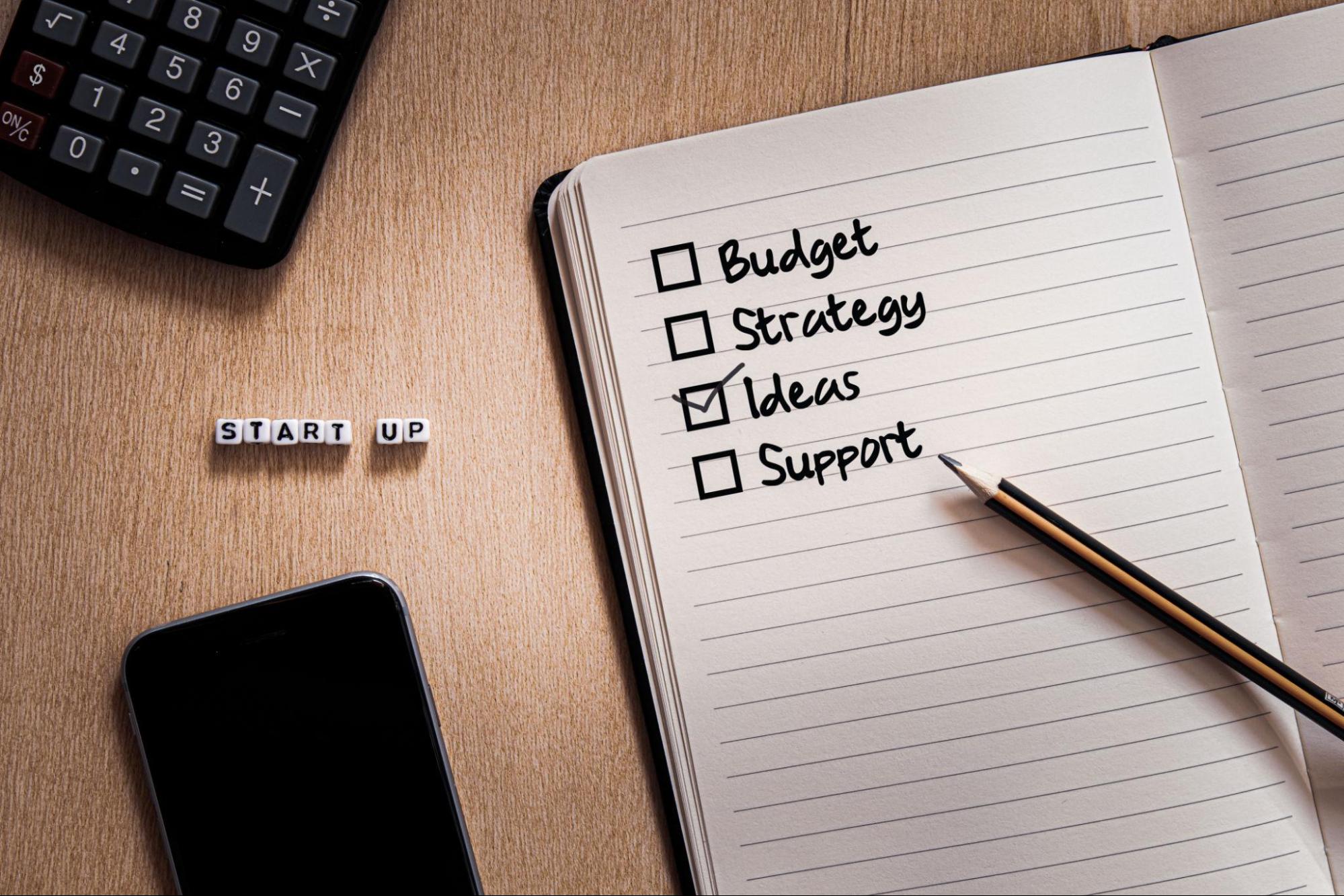
Step 1: Define Your Income Sources
Start by identifying how your business earns money.
Examples:- Product sales
- Service fees
- Subscriptions
- Freelance projects
Tip:
Estimate monthly income, even if it’s not fixed.
Be realistic, not optimistic.
Step 2: List All Expenses
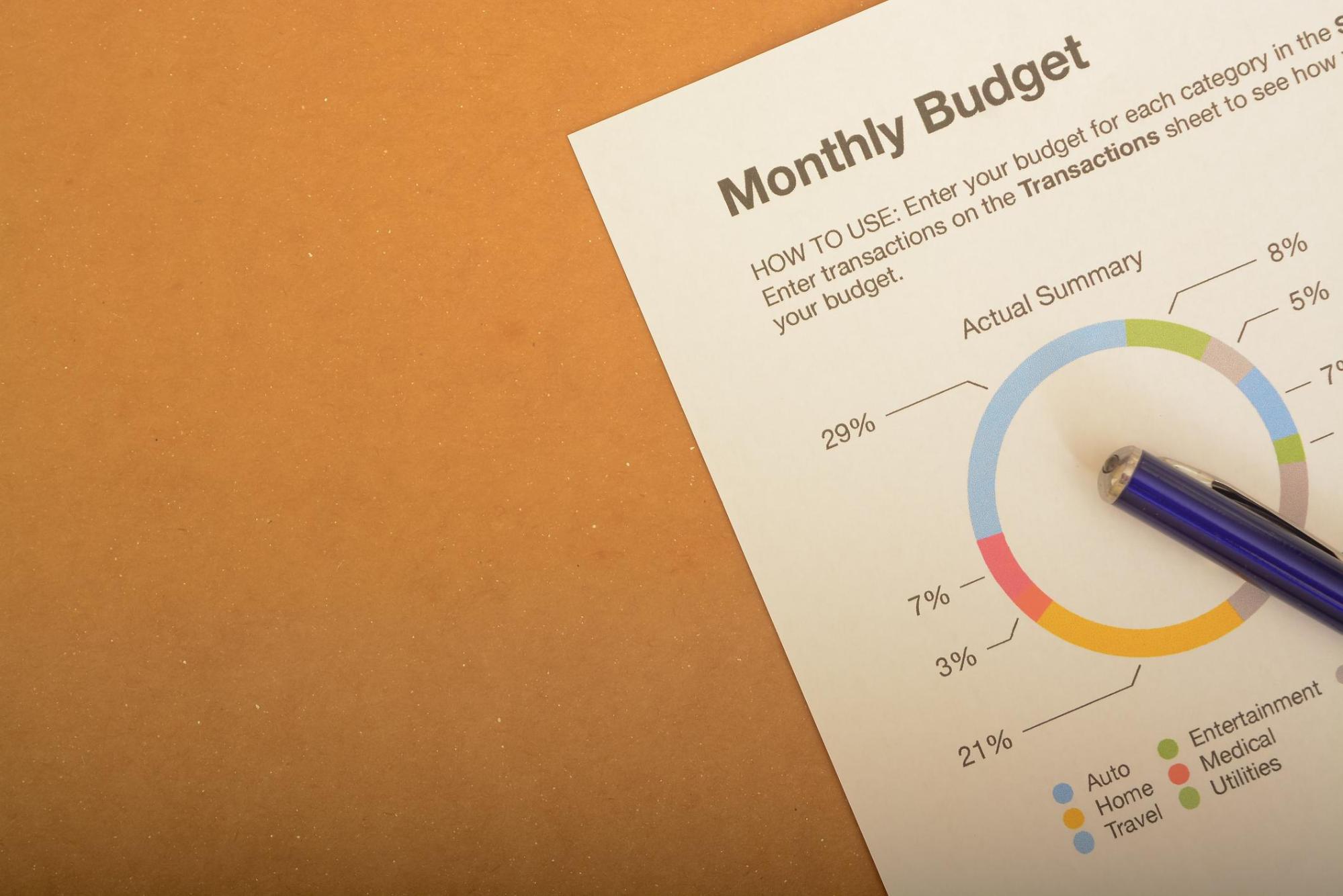
Divide expenses into categories:
- Fixed Expenses:
- Rent
- Salaries
- Software subscriptions
- Variable Expenses:
- Marketing
- Logistics
- Utilities
- One-Time Costs:
- Equipment
- Setup costs
Write everything down—small costs matter.
Step 3: Calculate Your Break-Even Point
Break-even = where your income equals expenses.
Formula:Break-even = Total Expenses ÷ Price per unit
This tells you:
- Minimum sales required
- Financial stability point
Step 4: Set Financial Goals

Define clear goals:
- Monthly revenue target
- Profit margin
- Savings goal
Goals give direction to your budget.
Step 5: Create a Monthly Budget Plan
Now combine everything:
Example Structure:- Income: ₹1,00,000
- Expenses: ₹70,000
- Profit: ₹30,000
Keep it simple and practical.
Step 6: Track and Adjust Regularly

A budget is not static.
What to do:
- Review weekly
- Adjust monthly
- Track actual vs planned
Flexibility is key.
Step 7: Use Budgeting Tools
Simple Tools:- Excel / Google Sheets
- Notion
- Accounting apps
Automation makes budgeting easier.
Example: Simple Startup Budget
| Category | Amount |
|---|---|
| Income | ₹1,00,000 |
| Rent | ₹15,000 |
| Salaries | ₹30,000 |
| Marketing | ₹10,000 |
| Tools | ₹5,000 |
| Misc | ₹10,000 |
| Profit | ₹30,000 |
This gives a clear financial picture.
Common Budgeting Mistakes to Avoid
- Underestimating Expenses
Always add a buffer. - Ignoring Small Costs
Subscriptions and small charges add up. - Not Tracking Regularly
Budget without tracking = useless. - Being Too Optimistic
Plan for a realistic income.
Pro Tips for Smart Budgeting
-
Follow the 50-30-20 Rule (Adapted)
50% → Essential expenses
30% → Growth (marketing, tools)
20% → Savings/profit -
Build an Emergency Fund
Save 3–6 months of expenses.
Helps during slow periods. -
Focus on Profit, Not Just Revenue
High revenue means nothing if expenses are high. -
Reduce Unnecessary Costs
Review subscriptions and tools regularly.
Who Should Use This Budgeting Guide?
This guide is perfect for:
- Startup founders
- Freelancers
- Small business owners
- Entrepreneurs in early stages
Final Thoughts: Budget = Business Control
A budget is not just numbers—it’s a strategy.
When you control your money, you control your business.
Conclusion
Building a business budget from zero is simple if you follow the right steps.
Start small. Stay consistent. Improve over time.
The sooner you start budgeting, the stronger your business becomes.