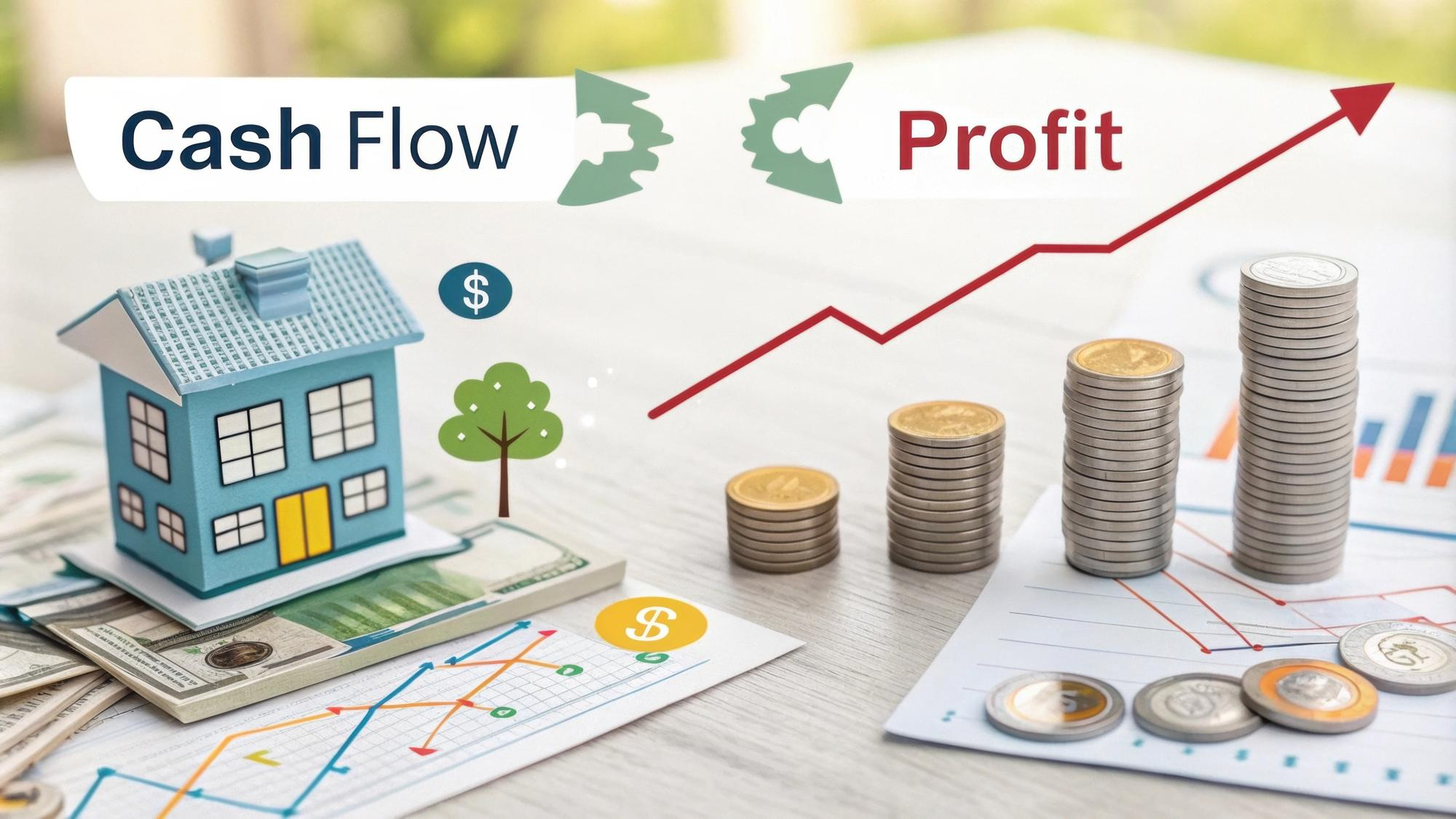
Introduction: The Financial Mistake That Hurts Businesses
One of the most common business misunderstandings is thinking:
“If my business is profitable, I must have enough money.”
But in reality:
A business can be profitable and still run out of cash.
In 2026, many startups and small businesses struggle financially not because they lack customers, but because they misunderstand the difference between:
- Profit
- Cash flow
This confusion often leads to:
- Missed payments
- Financial stress
- Poor decisions
- Business instability
Understanding the difference between cash flow and profit is essential for:
- Sustainable growth
- Better financial planning
- Long-term survival
What is Profit?
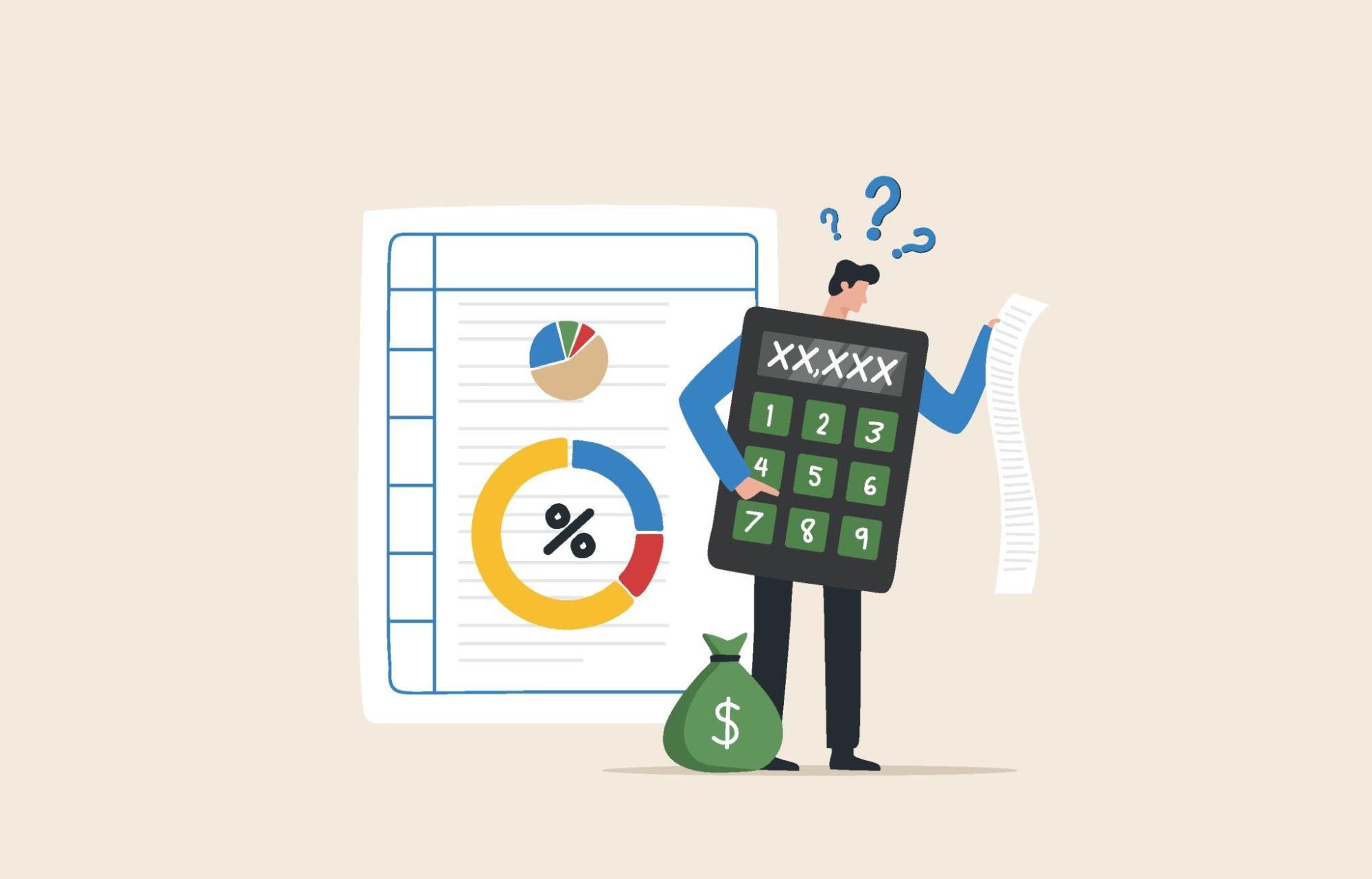
Profit is the money left after subtracting expenses from revenue.
Basic Formula:
:contentReference[oaicite:0]{index=0}Example:
- ₹5,00,000 in sales
- ₹3,50,000 in expenses
Then:
Profit = ₹1,50,000
Profit measures business performance.
Types of Profit
- Gross Profit — Revenue minus direct costs.
- Operating Profit — Profit after operating expenses.
- Net Profit — Final profit after all expenses and taxes.
Net profit is what most people mean when discussing “profit.”
What is Cash Flow?
Cash flow refers to the actual movement of money in and out of your business.
It answers:
“How much cash is available right now?”
Cash flow includes:
- Incoming payments
- Salaries
- Rent
- Vendor payments
- Loan repayments
Cash flow focuses on liquidity—not accounting profit.
Why Profit and Cash Flow Are Different

This is where many business owners get confused.
Example:
- You close a ₹10 lakh deal
- The customer promises payment after 90 days
On paper:
- ✅ You made a profit
But in reality:
- ❌ You may not have enough cash today
- ❌ Unable to pay salaries
- ❌ Unable to cover rent
- ❌ Unable to buy inventory
Profit is recorded when sales happen. Cash flow depends on when money actually arrives.
Why Businesses Fail Despite Being Profitable
Many businesses collapse because they run out of cash—not because they lack profit.
Common Reasons:
- Delayed customer payments
- High operating costs
- Excess inventory
- Debt repayments
- Poor budgeting
Cash flow problems create immediate operational stress.
Signs Your Business Has Cash Flow Problems
- Struggling to pay bills on time
- Delayed salaries
- Constant borrowing
- Unpaid vendor invoices
- Low bank balance despite strong sales
These are cash flow issues—not necessarily profit issues.
Why Small Businesses Confuse the Two
- Revenue Feels Like Cash — Sales do not always mean available money.
- Accounting Can Be Confusing — Reports may look healthy while cash remains tight.
- Growth Creates Pressure — Expenses rise before payments arrive.
- Lack of Financial Education — Many founders understand products better than finance.
Financial literacy is critical for business survival.
Why Cash Flow Matters More in Daily Operations
Profit shows long-term health. Cash flow keeps the business alive daily.
Cash Flow Pays For:
- Salaries
- Rent
- Marketing
- Inventory
- Taxes
Businesses operate on cash—not accounting reports.
How to Improve Cash Flow
- Invoice Faster — Reduce payment delays.
- Track Expenses Carefully — Control unnecessary spending.
- Build Emergency Cash Reserves — Prepare for slow periods.
- Improve Payment Terms — Encourage faster customer payments.
- Monitor Cash Flow Weekly — Not just monthly.
Awareness prevents financial surprises.
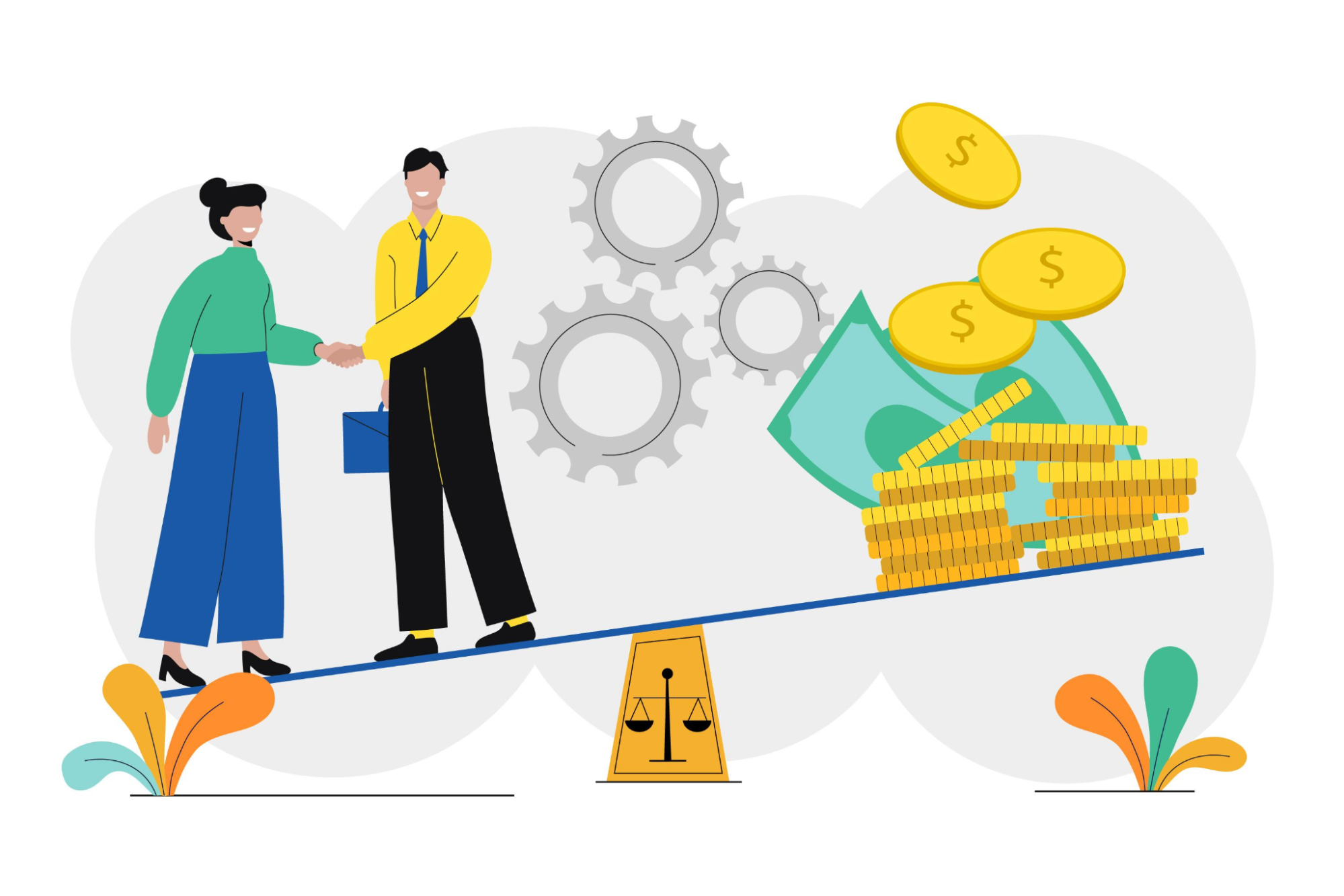
Cash Flow vs Profit: Quick Comparison
| Profit | Cash Flow |
|---|---|
| Accounting measure | Real cash availability |
| Long-term performance | Daily operations |
| Based on revenue & expenses | Based on money movement |
| May exist without cash | Needed for survival |
Profit is theory. Cash flow is reality.
Final Thoughts
Understanding the difference between cash flow and profit can completely change how businesses operate.
- Managing money carefully
- Monitoring cash flow consistently
- Growing sustainably
Conclusion
Cash flow and profit are both important—but they serve different purposes.
- Profit shows whether your business model works.
- Cash flow determines whether your business survives daily operations.
The businesses that succeed long-term are not always the ones making the most revenue. They are the ones managing cash wisely.