Introduction: Why Cash Flow Matters More Than Ever
While inflation has eased in many regions compared to previous years, interest rates remain significantly higher than businesses became accustomed to during the low-rate era of the 2010s and early 2020s.
For startups, SMEs, and even multinational corporations, the result is growing pressure on:
- Cash flow
- Liquidity
- Operational efficiency
- Financial resilience
In 2026, profitability alone is no longer enough. Businesses must prioritize liquidity and financial resilience.

Why High Interest Rates Continue to Hurt Businesses
Although many economies have stabilized after periods of inflation volatility, central banks in several countries continue maintaining relatively high interest rates to control long-term inflation risks.
Higher rates affect businesses in multiple ways:
- Loan repayments become more expensive
- Investor funding slows down
- Consumer spending weakens
- Expansion costs increase
- Credit access becomes tighter
- Operational margins shrink
For companies that expanded aggressively during low-interest-rate periods, the adjustment has been especially painful.
The era of cheap money has ended — at least for now.
Cash Flow Has Become More Important Than Revenue Growth
During years of abundant capital, many businesses prioritized rapid growth over sustainable financial management.
In 2026, investors, lenders, and shareholders increasingly evaluate companies based on:
- Liquidity position
- Cash reserves
- Operational efficiency
- Profit margins
- Debt exposure
- Financial sustainability
Businesses with healthy cash flow are better able to:
- Manage unexpected expenses
- Survive economic downturns
- Invest strategically
- Retain employees
- Negotiate favorable supplier terms
Financial resilience has become one of the defining business priorities of 2026.

1. Reduce Dependency on Debt Financing
One of the most important steps businesses can take in 2026 is reducing excessive dependence on borrowed capital.
Many companies previously used debt to:
- Expand operations
- Hire aggressively
- Acquire competitors
- Fund marketing growth
- Launch new products
Businesses should carefully review:
- Interest-bearing liabilities
- Refinancing schedules
- Variable-rate loans
- Credit line exposure
Where possible, organizations are:
- Paying down high-interest debt faster
- Consolidating loans
- Renegotiating payment terms
- Avoiding unnecessary borrowing
Financial flexibility is becoming a major competitive advantage.
2. Strengthen Cash Reserve Planning
Cash reserves act as a financial buffer during uncertain economic periods.
Businesses with stronger reserves are better prepared to handle:
- Revenue fluctuations
- Delayed customer payments
- Supply chain disruptions
- Economic slowdowns
- Unexpected operational costs
Financial experts increasingly recommend maintaining several months of operational liquidity whenever possible.
The focus is shifting from aggressive expansion toward sustainable stability.
3. Improve Accounts Receivable Management
Late payments are becoming a growing problem worldwide as businesses attempt to preserve their own liquidity.
Companies are implementing stricter receivable strategies:
- Faster invoice processing
- Automated payment reminders
- Shorter payment terms
- Early payment incentives
- Better customer credit assessment
Some organizations are also using AI-powered financial systems to predict payment risks and identify clients likely to delay invoices.
Efficient receivables management can significantly improve cash flow without increasing sales.

4. Reevaluate Operational Costs Carefully
Cost-cutting remains a sensitive topic, but in 2026 many businesses are reassessing operational efficiency more strategically.
The goal is no longer simple expense reduction. Instead, companies focus on:
- Eliminating waste
- Improving productivity
- Automating repetitive tasks
- Optimizing vendor contracts
- Reducing underutilized assets
Successful organizations balance efficiency with:
- Employee retention
- Customer experience
- Innovation investment
- Brand reputation
Smart optimization is proving more effective than aggressive austerity.
5. Diversify Revenue Streams
Businesses that depend heavily on one product, market, or customer segment face greater financial vulnerability during economic slowdowns.
Diversification strategies include:
- Expanding into new geographic markets
- Launching subscription-based services
- Offering digital products
- Developing recurring revenue models
- Serving multiple customer segments
Recurring revenue is particularly valuable because it creates greater financial predictability.
Subscription-based business models continue growing because predictable revenue improves stability.
6. Use AI and Forecasting Tools for Financial Visibility
AI-driven financial forecasting tools are becoming increasingly important in modern cash flow management.
Advanced systems can now:
- Predict seasonal revenue fluctuations
- Identify liquidity risks
- Forecast customer payment behavior
- Model economic scenarios
- Detect unusual spending patterns
Real-time financial visibility enables businesses to make faster and more informed decisions.
Financial forecasting is becoming essential in an unpredictable economy.

The Human Side of Financial Pressure
Economic uncertainty affects more than balance sheets.
Leaders across industries are facing:
- Employee anxiety
- Hiring freezes
- Reduced budgets
- Productivity pressure
- Investor scrutiny
Organizations that communicate clearly during difficult periods tend to preserve stronger trust and long-term stability.
Leadership credibility matters even more during economic stress.
Regional Differences in Economic Pressure
- United States: Higher borrowing costs and tighter investment markets.
- Europe: Slower economic growth, energy costs, and regulatory pressures.
- Asia: Mixed performance with varying export demand.
- Emerging Markets: Currency volatility and external debt exposure.
These differences require businesses to adopt localized financial strategies rather than relying on a single global approach.
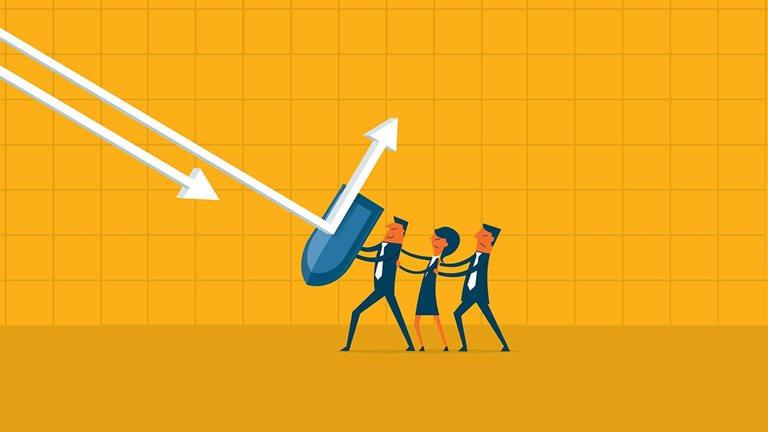
Preparing for the Next Economic Cycle
Economic cycles are inevitable. Businesses that build strong financial discipline today will remain more resilient regardless of future interest-rate movements.
The companies most likely to thrive are those that:
- Protect liquidity
- Maintain operational flexibility
- Diversify revenue
- Use technology intelligently
- Balance growth with sustainability
The goal is no longer expansion at all costs—it is durable, long-term financial health.
Final Thoughts
The interest rate hangover of 2026 is forcing businesses worldwide to rethink how they manage money, growth, and operational risk.
Organizations that succeed during this period will not necessarily be the fastest-growing companies. They will be the businesses that combine disciplined financial management with strategic adaptability.
In a world where economic conditions remain unpredictable, protecting cash flow is no longer just a finance department responsibility—it is a core business survival strategy.