Introduction: The Rise of the Solo-AI Enterprise
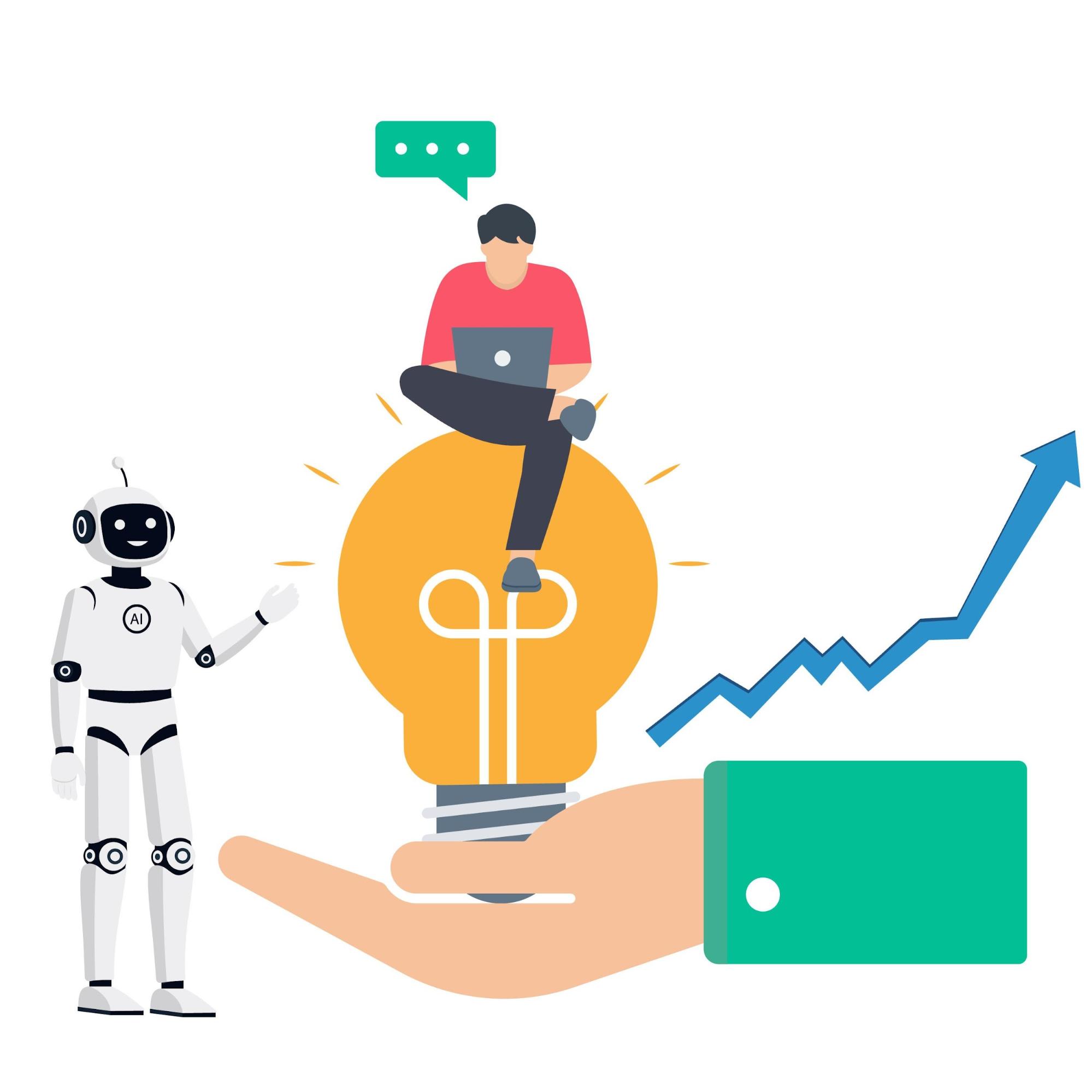
This emerging business structure is becoming known as the Solo-AI Enterprise Model — a framework where a single individual oversees operations while AI tools handle much of the execution.
From content companies and e-commerce brands to consulting firms and SaaS startups, solo entrepreneurs are increasingly proving that modern businesses can scale without traditional organizational structures.
Several global trends are accelerating this shift:
- Advanced AI automation
- Remote digital infrastructure
- Global online marketplaces
- Subscription-based software ecosystems
- Reduced startup costs
- Increasing economic uncertainty
What once required an office and multiple employees now often requires only a laptop, internet connection, and a well-integrated technology stack.

Why the Solo-AI Enterprise Model Is Emerging
Historically, entrepreneurs needed teams for nearly every business function:
- Customer service
- Marketing
- Design
- Operations
- Sales support
- Financial management
- Administrative work
Today, AI systems can perform large portions of these functions automatically.
A solo founder can now use AI to:
- Generate marketing campaigns
- Handle customer inquiries
- Analyze business performance
- Create product content
- Manage workflows
- Build websites
- Process invoices
- Conduct market research
The entrepreneur becomes less of an operator and more of a strategic director overseeing interconnected AI systems.
The Technology Behind Solo-AI Businesses
The Solo-AI Enterprise Model depends heavily on connected automation systems.
Modern entrepreneurs increasingly combine:
- AI writing assistants
- AI design platforms
- Workflow automation tools
- AI customer support agents
- Financial automation software
- CRM systems
- AI analytics dashboards
- Cloud-based operations platforms
Together, these technologies function as a digital workforce.
Examples:
- AI chatbots manage customer communication
- Automation tools connect business processes
- AI content systems generate social media campaigns
- Financial software tracks cash flow automatically
- AI scheduling systems coordinate meetings and operations

Industries Where the Model Works Best
1. Content and Media Businesses
Writers, educators, podcasters, YouTubers, and newsletter operators increasingly use AI tools to:
- Research topics
- Edit content
- Repurpose media
- Generate visuals
- Optimize SEO
- Schedule publishing
A single creator can now operate like a small media company.
2. E-Commerce and Digital Products
AI-powered e-commerce businesses can automate:
- Inventory forecasting
- Customer support
- Advertising optimization
- Product descriptions
- Order processing
Many entrepreneurs also sell:
- Online courses
- Templates
- E-books
- AI prompts
- Software tools
These businesses scale efficiently because they have minimal physical overhead.
3. Consulting and Knowledge Services
Consultants increasingly use AI systems for:
- Presentation creation
- Data analysis
- Proposal writing
- Research
- Client reporting
This allows independent professionals to handle larger client volumes without building large agencies.
4. SaaS and Software Startups
AI-assisted coding platforms have dramatically lowered software development barriers.
Solo founders can now:
- Build applications faster
- Debug code efficiently
- Automate testing
- Generate documentation
- Deploy products independently
AI is creating a new generation of lean software companies with extremely small teams.
Why Investors Are Paying Attention
The economics of solo-AI businesses are highly attractive.
Traditional businesses often face:
- High payroll costs
- Management complexity
- Administrative overhead
- Office expenses
- Employee turnover
Solo-AI businesses operate differently:
- Lower operational costs
- Faster decision-making
- Higher profit margins
- Greater flexibility
- Leaner structures
Some investors now view AI-native businesses as more resilient during uncertain economic periods.
The focus is shifting from company size to operational efficiency.

The Human Challenges of Running a Solo-AI Business
Despite its advantages, the Solo-AI Enterprise Model introduces important personal and operational challenges.
Entrepreneurs may experience:
- Isolation
- Decision fatigue
- Burnout
- Constant availability pressure
- Reduced collaboration
- Mental overload
There are also limitations to AI systems:
- Lack of emotional intelligence
- Limited creativity in complex situations
- Ethical risks
- Dependence on external platforms
- Data privacy concerns
Human judgment still plays a critical role in leadership, brand identity, and long-term strategy.
The most successful solo-AI founders are not eliminating human thinking—they are amplifying it through automation.
AI Is Redefining Entrepreneurship
The rise of solo-AI enterprises is fundamentally changing what entrepreneurship looks like.
A single individual can now:
- Launch a global business
- Reach international customers
- Automate operations
- Build digital products
- Scale online communities
This democratization of entrepreneurship is expanding opportunities worldwide, particularly in regions where traditional business infrastructure may be limited.

The Ethical and Economic Questions Ahead
The Solo-AI Enterprise Model also raises broader economic and societal questions.
- What happens to traditional jobs?
- How will labor markets adapt?
- Will wealth become more concentrated?
- How should governments regulate AI-driven enterprises?
Governments and policymakers are only beginning to explore how taxation, labor law, and business regulations should evolve in response to AI-native enterprises.
The long-term societal impact remains uncertain.
Skills That Matter Most in the Solo-AI Economy
As AI handles more operational tasks, human competitive advantages are shifting.
The most valuable skills include:
- Strategic thinking
- Creativity
- Brand building
- Storytelling
- Emotional intelligence
- Community leadership
- Adaptability
- Systems thinking
AI can automate execution, but human vision remains central to sustainable business success.
Final Thoughts
The Solo-AI Enterprise Model represents one of the most significant shifts in modern entrepreneurship.
AI is enabling individuals to build businesses that once required entire teams, fundamentally changing assumptions about scale, productivity, and organizational structure.
For entrepreneurs, this creates extraordinary opportunities:
- Lower startup costs
- Greater independence
- Faster scalability
- Global market access
The future of business may not belong exclusively to massive corporations or large workforces. Increasingly, it may belong to highly adaptable individuals who know how to combine human creativity with AI-powered execution.
In 2026, entrepreneurship is becoming leaner, faster, more automated—and in many cases, radically more individual.