Climate change is no longer viewed solely as an environmental issue. In 2026, it has become a financial issue, a geopolitical issue, and increasingly, a core business issue.
Across the global economy, governments, investors, corporations, and financial institutions are rapidly integrating sustainability into investment and operational decisions.
This shift has given rise to what is now commonly known as green finance — a broad financial ecosystem focused on supporting environmentally and socially sustainable economic activity.
Green finance is transforming how capital is allocated, how risks are measured, and how businesses plan for the future.

What Is Green Finance?
Green finance refers to financial activities that support environmentally sustainable projects, businesses, and economic systems.
This includes:
- Renewable energy investments
- Sustainable infrastructure
- Climate technology
- Green bonds
- Carbon markets
- ESG-focused investment funds
- Sustainable banking initiatives
The broader goal is to direct capital toward activities that reduce environmental harm while supporting long-term economic resilience.
Sustainable investing has moved from optional branding to a major factor in global capital allocation.
ESG Investing Explained
ESG stands for:
- Environmental
- Social
- Governance
ESG investing evaluates companies based on how responsibly they operate in addition to their financial performance.
Environmental Factors
- Carbon emissions
- Energy efficiency
- Waste management
- Water usage
- Climate risk exposure
Social Factors
- Employee treatment
- Diversity and inclusion
- Labor standards
- Data privacy
- Community impact
Governance Factors
- Board structure
- Executive compensation
- Transparency
- Ethics
- Shareholder rights
Why ESG Is Becoming More Complex in 2026
The ESG industry is entering a more mature and scrutinized phase.
Major issues reshaping the market include:
- Regulatory fragmentation
- Political debates
- Greenwashing concerns
- Inconsistent ESG scoring systems
- Demand for measurable outcomes
In 2026, ESG is shifting away from broad marketing language toward:
- Standardized reporting
- Quantifiable climate risk analysis
- Supply-chain transparency
- Audit-ready sustainability data
The market is moving from ESG storytelling to measurable accountability.

Carbon Credits: What They Actually Are
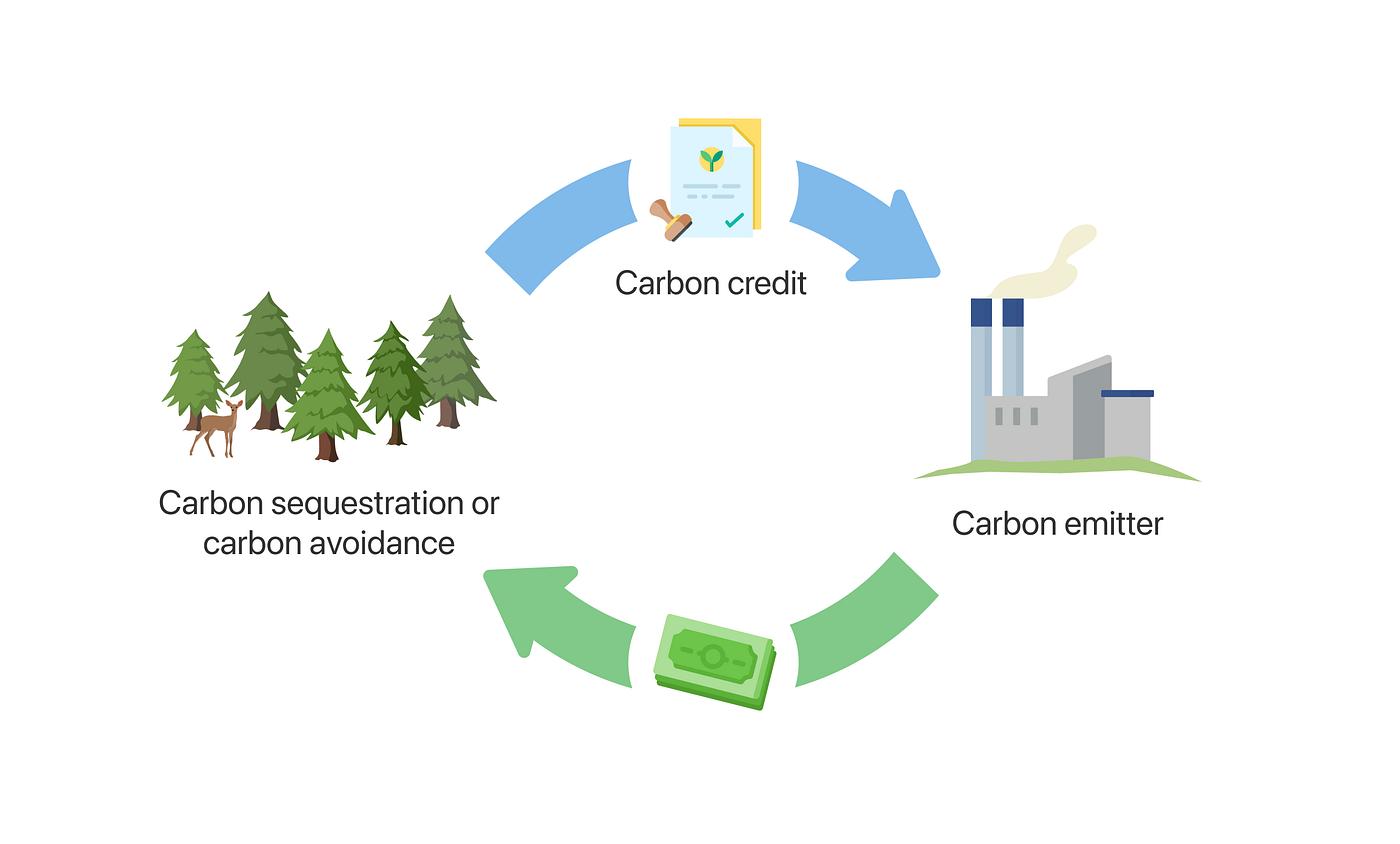
A carbon credit represents the reduction or removal of one metric ton of carbon dioxide (or equivalent greenhouse gases) from the atmosphere.
Examples of carbon credit projects include:
- Reforestation
- Renewable energy
- Methane capture
- Soil carbon projects
- Direct air capture technologies
1. Compliance Markets
- Government-regulated systems
- Mandatory emissions controls
- National carbon trading programs
2. Voluntary Carbon Markets
- Corporate net-zero initiatives
- Voluntary sustainability commitments
- Private carbon offset purchases
What’s Changing in Carbon Markets in 2026?
- Stronger verification standards
- Higher transparency requirements
- AI-powered monitoring systems
- Blockchain-based registries
- Greater regulatory oversight
Businesses face increasing pressure to demonstrate that carbon credits supplement—not replace—genuine emissions reduction efforts.
High-integrity carbon credits are becoming more valuable as quality standards improve.
The Global Regulatory Shift
Countries and financial markets increasingly require businesses to disclose:
- Carbon emissions
- Climate-related risks
- Supply-chain sustainability
- ESG performance data
Sustainability reporting is becoming embedded within financial infrastructure rather than existing as optional corporate branding.
Why Investors Still Care About ESG
- Climate risks affect company valuations
- Consumers increasingly favor sustainable brands
- Governments are tightening regulations
- Supply-chain sustainability matters more
- Environmental risks affect financial stability
Many institutional investors now view ESG analysis as part of standard risk management rather than purely ethical investing.
Sustainability is increasingly linked to resilience, preparedness, and long-term profitability.
Technology Is Reshaping Green Finance
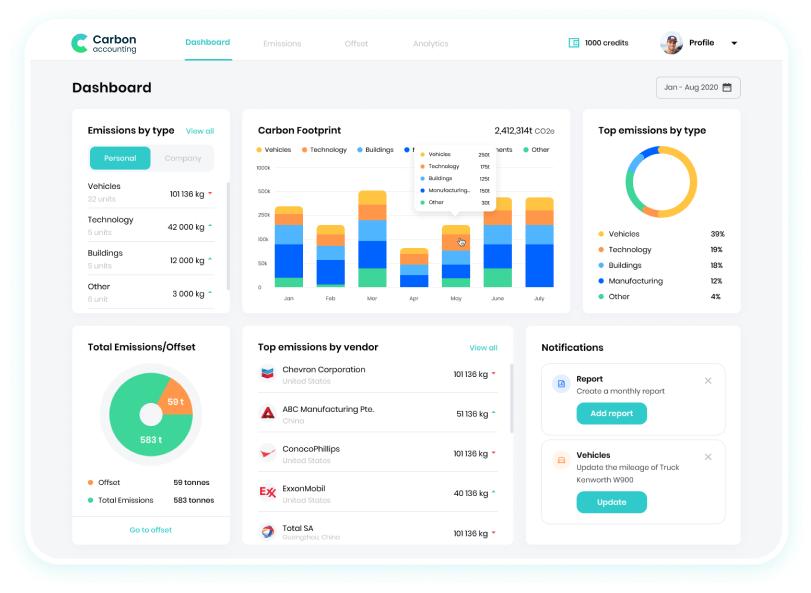
- Emissions tracking
- Supply-chain analysis
- Climate-risk forecasting
- Automated ESG reporting
- Carbon accounting
Artificial intelligence is helping organizations process massive amounts of sustainability data more accurately and efficiently.
At the same time, organizations are exploring “green AI” approaches that reduce the environmental impact of computing infrastructure.
Challenges Facing Green Finance
- Greenwashing
- Inconsistent reporting standards
- Political resistance
- Data reliability issues
- Carbon credit quality concerns
- Regulatory fragmentation
As a result, investors increasingly demand:
- Transparent reporting
- Third-party verification
- Measurable emissions reductions
- Real operational sustainability
Trust and credibility are becoming central to the future of sustainable finance.
What Businesses Should Do in 2026
- Improve sustainability reporting
- Measure emissions more accurately
- Evaluate climate-related risks
- Strengthen supply-chain transparency
- Avoid superficial ESG claims
Organizations that treat sustainability strategically rather than cosmetically are likely to be better positioned in future markets.

Final Thoughts
Green finance in 2026 is entering a more serious and data-driven era.
ESG investing is becoming more regulated and measurable. Carbon markets are evolving toward higher-quality standards. Sustainability reporting is increasingly embedded in global financial systems.
While challenges remain, the direction is clear: environmental and climate considerations are becoming central components of modern finance.
The future of finance is not only about profit—it is increasingly about resilience, accountability, and sustainability in a rapidly changing world.

