Introduction: Smart Marketing Beats Big Budgets
Small businesses and startups often don’t have huge advertising budgets. The good news?
You do not need millions to grow online.
What you need is:
- Smart strategy
- Consistency
- ROI-focused marketing decisions
Many successful brands today grow using:
- Organic content
- Community building
- SEO
- Email marketing
- AI-powered tools
instead of expensive ad campaigns.
What Does “ROI-First Marketing” Mean?

ROI stands for Return on Investment.
In simple terms:
Are your marketing efforts generating more value than they cost?
ROI-first marketing focuses on:
- High-impact activities
- Measurable growth
- Low-cost acquisition
- Sustainable results
Instead of:
- Spending blindly
- Chasing vanity metrics
- Copying competitors without strategy
Why Small Businesses Need ROI-First Strategies

Large companies can afford marketing mistakes. Small businesses usually cannot.
Every marketing decision matters because:
- Budgets are limited
- Resources are smaller
- Cash flow is important
ROI-focused marketing protects long-term sustainability.
1. Focus on Organic Content Marketing
Content marketing remains one of the highest ROI strategies.
Examples:
- Blog posts
- LinkedIn posts
- Instagram carousels
- Educational videos
- SEO articles
Why It Works:
- Builds trust
- Improves visibility
- Generates long-term traffic
Unlike ads, organic content compounds over time.
2. Prioritize SEO Over Short-Term Ads
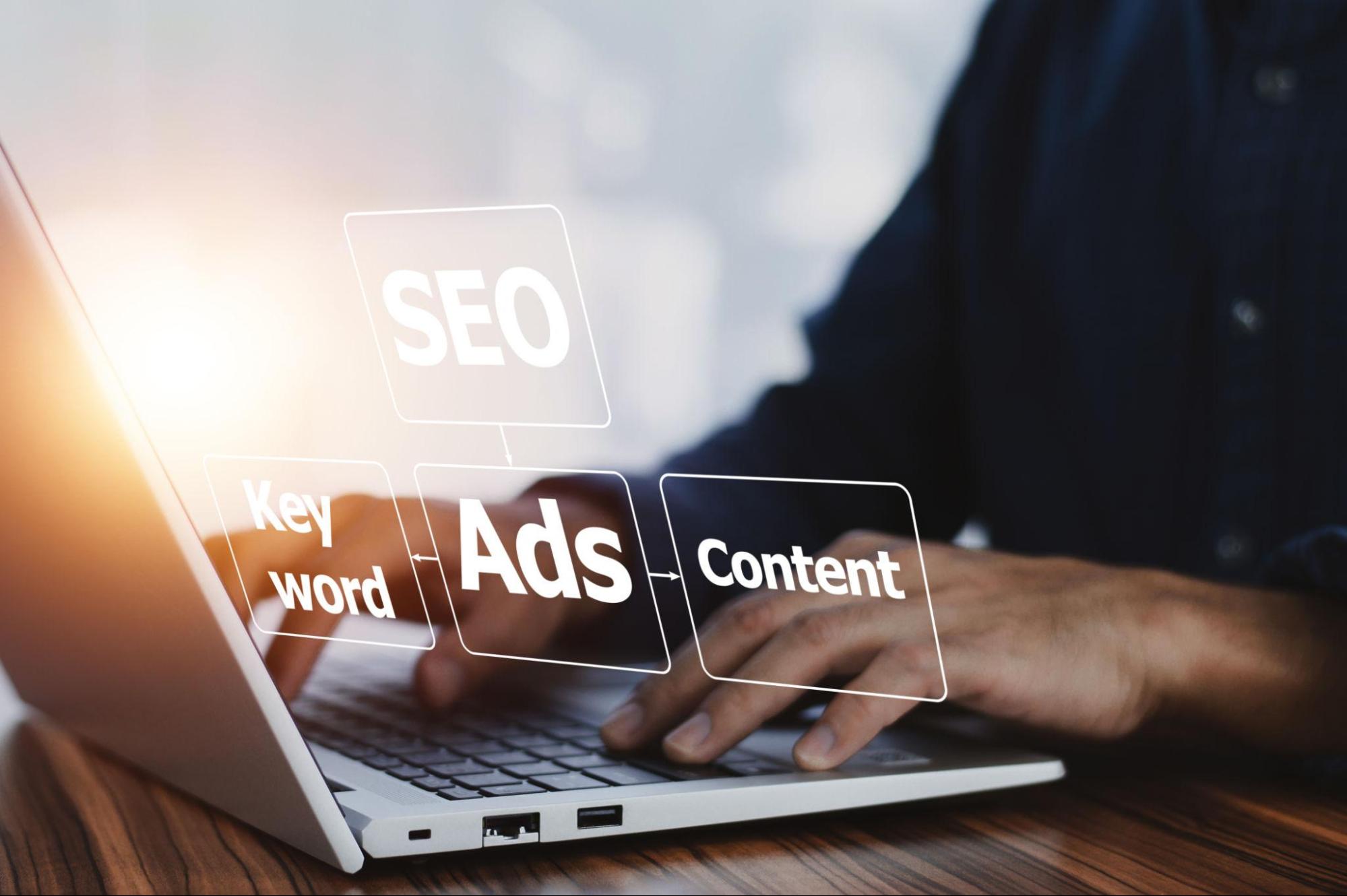
Paid ads stop generating traffic when you stop spending. SEO continues bringing traffic long-term.
Focus Areas:
- Keyword optimization
- Blog content
- Website speed
- Internal linking
- Local SEO
Benefits:
- Lower acquisition cost
- Long-term visibility
- Sustainable traffic
SEO is one of the best investments for budget-conscious businesses.
3. Use AI Tools to Reduce Costs

AI tools are helping small businesses save time and money.
Helpful AI Tools:
- ChatGPT → Content & ideas
- Canva → Design
- Grammarly → Writing improvement
- Notion AI → Productivity
Automation improves efficiency without hiring large teams.
4. Build an Email List Early
Email marketing still delivers one of the highest ROIs in digital marketing.
You own your audience.
Unlike social media algorithms, email gives direct access to customers.
Simple Email Ideas:
- Weekly tips
- Product updates
- Special offers
- Educational newsletters
Start collecting emails from day one.
5. Focus on One or Two Platforms Only
- LinkedIn → B2B
- Instagram → Visual brands
- YouTube → Educational content
- Pinterest → Lifestyle niches
Consistency on fewer platforms beats weak presence everywhere.
6. Collaborate Instead of Spending More

- Cross-promotions
- Podcast guest appearances
- Micro-influencer partnerships
- Community collaborations
Trust-based partnerships often outperform expensive ads.
7. Track Metrics That Actually Matter

- Leads
- Conversions
- Customer acquisition cost
- Revenue generated
Growth without profitability is risky.
Final Thoughts
Digital marketing on a small budget is absolutely possible.
- Creating value
- Building trust
- Measuring ROI
- Staying consistent
The businesses that succeed are not always the ones spending the most.
Conclusion
In 2026, smart marketing beats expensive marketing. By focusing on:
- SEO
- Content marketing
- Email marketing
- AI tools
- Strategic partnerships
ROI-first thinking helps businesses market smarter, scale gradually, and stay financially healthy.
SEO Setup
- Focus Keyphrase: ROI-first digital marketing strategies
- SEO Title: Digital Marketing on a Shoestring: ROI-First Strategies for 2026
- Meta Description: Learn affordable ROI-first digital marketing strategies for startups and small businesses using SEO, content marketing, email, AI tools, and organic growth.
- URL Slug: roi-first-digital-marketing-strategies
- Category: Digital Marketing & Business