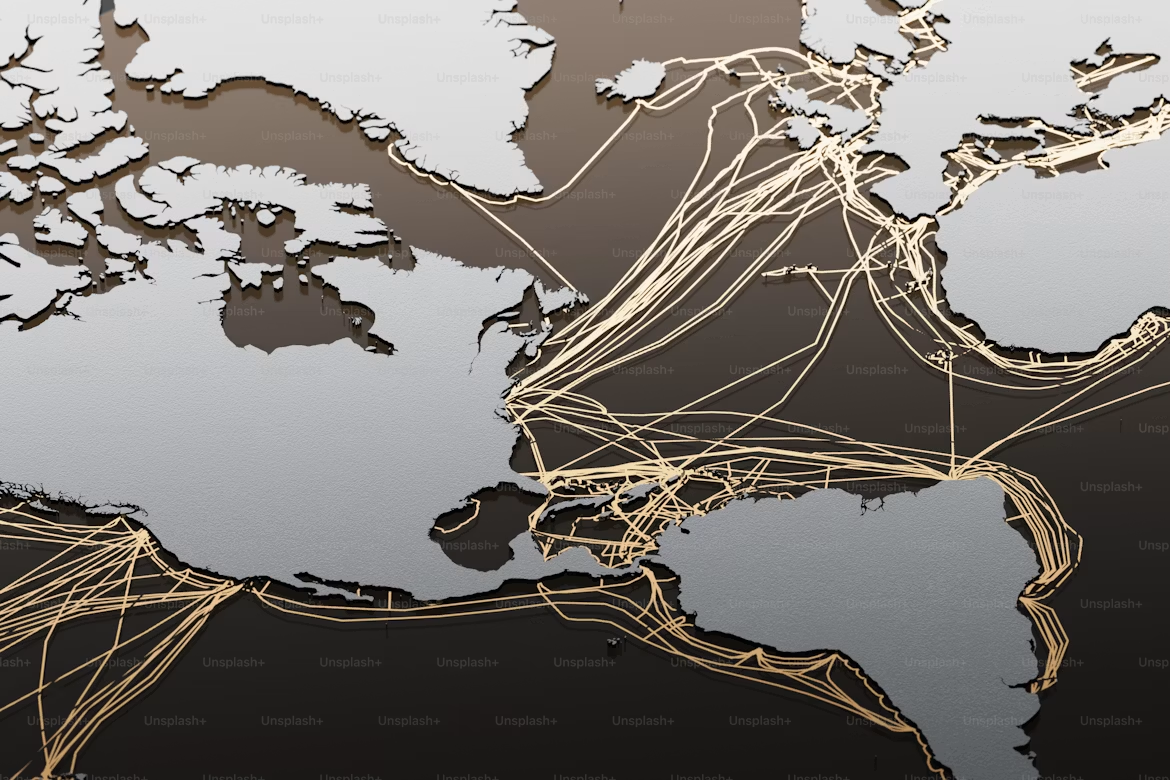
Globalization once promised a world of seamless trade, interconnected markets, and highly optimized supply chains. For decades, businesses focused on efficiency above all else—sourcing materials from the lowest-cost regions, manufacturing products across multiple countries, and relying on just-in-time logistics to minimize expenses.
In 2026, that model is under enormous pressure.
Trade tensions, geopolitical rivalry, economic nationalism, sanctions, tariffs, and strategic decoupling between major economies are reshaping global commerce at an unprecedented pace.
Businesses are now operating in what many economists describe as a fractured world—an environment where political uncertainty increasingly influences supply chain decisions.
The challenge is no longer simply reducing costs—it is building resilient, tariff-proof supply chains capable of surviving economic disruption and geopolitical instability.
Why Global Supply Chains Are Becoming More Fragile
Several major forces are driving supply chain instability in 2026:
- Rising geopolitical tensions
- Trade wars and tariffs
- Regional conflicts
- Export restrictions
- Economic nationalism
- Climate-related disruptions
- Shipping bottlenecks
- Cybersecurity threats
The traditional global supply chain model prioritized maximum efficiency and low production costs. Recent years have exposed how vulnerable highly centralized systems can become during crises.
Events such as pandemic shutdowns, semiconductor shortages, energy disruptions, shipping delays, and regional military conflicts have forced businesses to rethink sourcing and logistics strategies.
Today, resilience is becoming just as important as cost optimization.
The Return of Tariffs and Economic Nationalism
One of the biggest business challenges in 2026 is the return of aggressive trade protection policies.
Governments worldwide are increasingly prioritizing:
- Domestic manufacturing
- Strategic industries
- National supply chain security
- Technological independence
Industries heavily affected include:
- Technology
- Automotive manufacturing
- Electronics
- Renewable energy
- Pharmaceuticals
- Industrial equipment
For businesses operating internationally, sudden tariff increases can dramatically affect profit margins, pricing strategies, production costs, and competitiveness.
A supply chain heavily dependent on one country can quickly become a financial liability.

1. Supply Chain Diversification Is Becoming Essential
One of the most important lessons businesses have learned is the danger of overdependence on a single supplier or geographic region.
Companies are increasingly diversifying through:
- Multi-country sourcing
- Secondary supplier networks
- Distributed manufacturing
- Regional inventory hubs
- Flexible logistics partnerships
Popular diversification destinations include:
- India
- Southeast Asia
- Mexico
- Eastern Europe
- Latin America
Diversification may increase complexity, but it dramatically improves long-term resilience.
2. Nearshoring and Regionalization Are Accelerating
For many companies, globalization is not disappearing—it is becoming more regional.
Nearshoring involves moving production closer to primary customer markets.
Examples:
- U.S. companies expanding manufacturing in Mexico
- European firms shifting production toward Eastern Europe
- Asian supply networks becoming more regionalized
Benefits include reduced tariff exposure, lower shipping risks, improved visibility, and faster response times.
3. Inventory Strategies Are Changing
For years, businesses embraced just-in-time inventory systems to reduce storage costs.
Today, many organizations are shifting toward:
- Strategic stockpiling
- Safety inventory reserves
- Hybrid inventory models
- Regional warehousing
Companies increasingly accept slightly higher inventory costs in exchange for greater operational reliability.
Reliability is becoming more valuable than maximum efficiency.
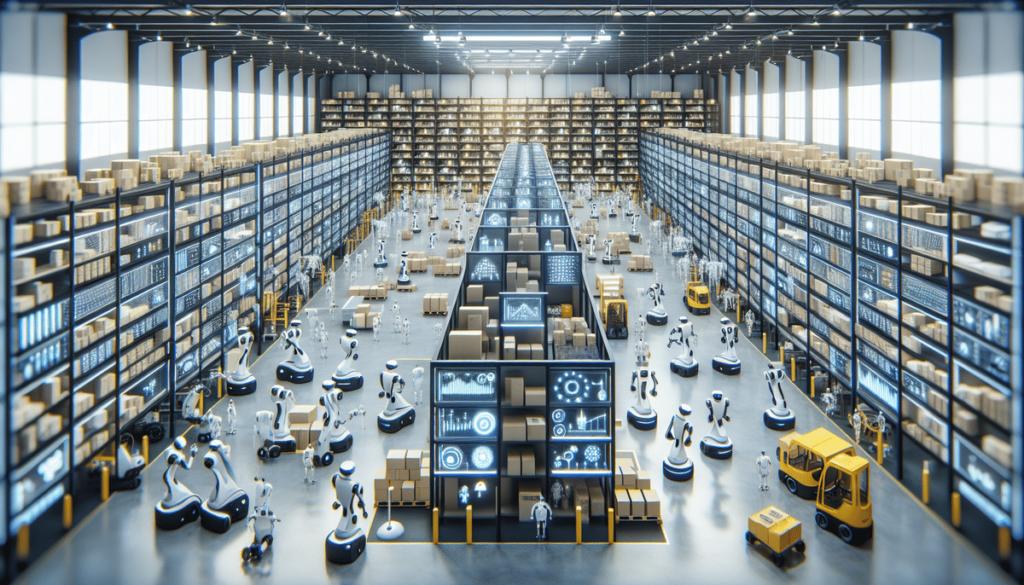
4. AI and Automation Are Reshaping Supply Chain Management
Artificial intelligence is becoming one of the most important tools for navigating supply chain uncertainty.
- Predict disruptions
- Optimize shipping routes
- Forecast demand
- Monitor supplier risks
- Analyze geopolitical threats
- Improve inventory management
Advanced robotics, smart factories, and AI-assisted manufacturing are also making local production more economically viable.
This is helping accelerate reshoring initiatives across developed economies.
5. Supplier Relationships Are Becoming Strategic Partnerships
Businesses are moving away from purely transactional supplier relationships.
Companies increasingly prioritize:
- Long-term partnerships
- Shared risk planning
- Transparency
- Collaborative forecasting
- Supply chain visibility
Reliable suppliers are now viewed as strategic assets rather than interchangeable vendors.
Supply chain management is becoming far more strategic and intelligence-driven.

The Rise of Friendshoring
Another growing trend in 2026 is friendshoring.
This strategy involves shifting production and sourcing toward politically allied or economically stable countries.
Industries heavily adopting friendshoring include:
- Semiconductors
- Pharmaceuticals
- Rare earth materials
- Defense technology
- Energy infrastructure
While friendshoring can reduce political risk, it may also increase production costs and contribute to global economic fragmentation.
Sustainability Is Also Reshaping Supply Chains
- Reduce carbon emissions
- Improve traceability
- Strengthen ethical sourcing
- Increase sustainability reporting
Consumers, investors, and regulators increasingly expect businesses to improve environmental accountability.
Climate-related disruptions such as droughts, floods, energy instability, and extreme weather are also creating new operational risks.
Resilience and sustainability are becoming increasingly interconnected.

Challenges Businesses Still Face
- Higher operating costs
- Supply chain complexity
- Inflationary pressure
- Regulatory uncertainty
- Technology integration challenges
- Labor shortages
Building a tariff-proof business is not about eliminating risk entirely. It is about improving adaptability and reducing exposure to concentrated vulnerabilities.
What Smaller Businesses Can Do
- Work with multiple suppliers
- Diversify shipping partners
- Increase operational visibility
- Use digital inventory tools
- Create emergency sourcing plans
- Monitor geopolitical developments
Even modest diversification can significantly reduce vulnerability during periods of disruption.
Final Thoughts
The era of frictionless globalization is giving way to a more fragmented and strategically complex global economy.
In 2026, businesses can no longer assume that low-cost international sourcing alone guarantees long-term success.
Tariffs, geopolitical rivalry, supply chain disruptions, and economic nationalism are forcing organizations to rethink how global commerce operates.
The companies that succeed will not necessarily be the cheapest producers. They will be the businesses that combine flexibility, resilience, technology, and strategic diversification.
A tariff-proof business is not built around predicting every disruption—it is built around the ability to adapt quickly when disruptions inevitably occur.