In 2026, content is no longer scarce.
Articles, videos, graphics, newsletters, podcasts, social media captions, and even entire marketing campaigns can now be generated in minutes using artificial intelligence.
What once required teams of writers, editors, designers, and strategists can now be produced instantly with AI tools available to nearly everyone.
As a result, the internet is entering an era of unprecedented content saturation.
Every day, millions of AI-generated posts compete for attention across LinkedIn, YouTube, Instagram, TikTok, X, newsletters, and search engines.
The barrier to creating content has dropped dramatically—but the barrier to earning trust has become much higher.
The future of personal branding is no longer about producing the most content. It is about building a reputation that remains valuable when AI-generated media becomes infinite.
Why AI Content Saturation Is Changing the Internet
Artificial intelligence has transformed content creation from a skill-intensive process into a highly scalable commodity.
AI systems can now:
- Write articles
- Generate social posts
- Produce images
- Create videos
- Translate content
- Repurpose media
- Optimize SEO
- Simulate brand voices
This shift has created several major changes:
- Massive increases in content volume
- Lower average content quality
- Reduced originality
- Faster trend cycles
- Increased audience skepticism
As audiences become more aware of AI-generated media, authenticity is becoming a competitive advantage.
The internet is moving from an information economy toward a trust economy.
Personal Brands Are Becoming Trust Filters
In previous years, audiences often followed platforms, publishers, or companies.
In 2026, people increasingly follow individuals because personal brands act as trust filters in an overwhelming information environment.
When audiences trust a person:
- They pay more attention
- They engage more deeply
- They return consistently
- They are more likely to buy products or services
- They recommend that person to others
A strong personal brand helps audiences answer an important question:
Why should I trust this person over thousands of AI-generated alternatives?

1. Focus on Experience, Not Just Information
One of the biggest mistakes people make in the AI era is competing purely on information.
AI can already generate:
- General advice
- Summaries
- Tutorials
- Standard explanations
- Surface-level insights
What AI cannot fully replicate is lived human experience.
Your strongest branding assets include:
- Personal stories
- Failures and lessons learned
- Real-world case studies
- Industry observations
- Unique perspectives
- Behind-the-scenes experiences
Your experiences are becoming more valuable than your ability to produce content at scale.
2. Build a Recognizable Point of View
AI-generated content often sounds neutral, polished, and broadly agreeable.
Human brands stand out through distinct perspectives.
Strong personal brands usually have:
- Clear opinions
- Defined values
- Consistent themes
- Unique communication styles
- Specific expertise areas
Ask yourself:
- What do I believe?
- What problems do I solve?
- What ideas do I challenge?
- What audience do I serve?
In a crowded content environment, clarity is often more powerful than complexity.
3. Become More Human, Not More Automated
Ironically, the rise of AI is increasing demand for human connection.
Audiences increasingly respond to:
- Authentic communication
- Imperfect storytelling
- Real personality
- Vulnerability
- Emotional intelligence
The creators and professionals building long-term trust in 2026 are those who appear genuinely human rather than algorithmically optimized.
- Speak naturally
- Share personal insights
- Show real processes
- Engage directly with audiences
- Build conversations instead of broadcasting endlessly
People increasingly follow people—not content machines.
4. Prioritize Reputation Over Virality
Viral visibility is easier to achieve than long-term credibility.
Strong personal brands are built through:
- Reliability
- Consistency
- Expertise
- Integrity
- Long-term audience relationships
The goal is not simply to become visible. The goal is to become memorable and respected.
In the AI era, reputation may become one of the most valuable forms of digital capital.
5. Own Your Audience Whenever Possible
Platform algorithms are increasingly unpredictable, while AI-generated content saturation makes organic reach more difficult.
Strong personal brands increasingly invest in:
- Email newsletters
- Private communities
- Membership groups
- Podcasts
- Personal websites
- Direct audience ecosystems
An email subscriber who trusts your work is often more valuable than thousands of passive social media followers.
6. Use AI Strategically—Don’t Let It Replace You
The most effective personal brands do not reject AI entirely.
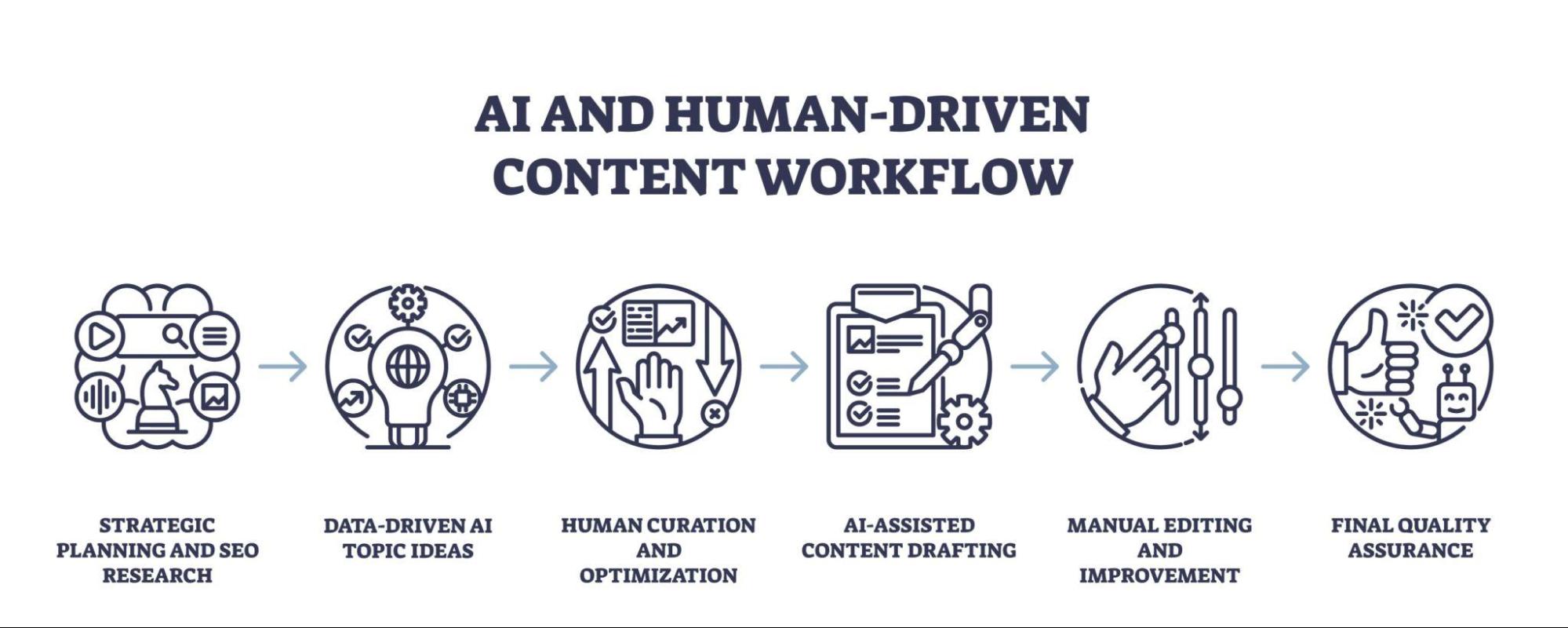
Instead, they use AI strategically for:
- Editing
- Research
- Repurposing
- Scheduling
- SEO optimization
- Workflow automation
AI should enhance your communication—not erase your individuality.
Use AI to scale your ideas, not to replace your voice.
7. Expertise and Depth Matter More Again
As AI floods the internet with generalized content, deep expertise becomes increasingly valuable.
Audiences seek:
- Specialized insight
- Industry-specific knowledge
- Original analysis
- Practical implementation
- Trusted experts
The internet is moving from an information scarcity economy toward a credibility economy.
The Rise of Proof-Based Branding
In 2026, audiences increasingly expect proof rather than claims.
People trust creators who demonstrate:
- Results
- Client outcomes
- Real projects
- Public work
- Transparent processes
This shift favors:
- Case studies
- Live demonstrations
- Public building
- Long-form thinking
- Community engagement
Trust is increasingly earned through visible proof rather than polished marketing alone.

Challenges Personal Brands Still Face
- Content fatigue
- Constant competition
- Audience fragmentation
- Platform dependency
- AI impersonation risks
- Burnout
Maintaining authenticity at scale becomes increasingly difficult as visibility grows.
What the Future of Personal Branding Looks Like
- More relationship-driven
- More expertise-focused
- More community-centered
- More trust-based
- More human
AI will continue increasing content abundance, but human credibility will remain limited and valuable.
The individuals who succeed will not necessarily be the loudest or most automated creators. They will be the people who build genuine trust over time.
Final Thoughts
The AI era is not eliminating the importance of personal branding—it is amplifying it.
As content becomes infinite, audiences increasingly seek people they trust to filter information, provide perspective, and offer authentic human insight.
The strongest personal brands in 2026 are built on:
- Credibility
- Experience
- Consistency
- Humanity
- Distinct perspective
- Audience trust
In a world flooded with AI-generated media, your greatest competitive advantage may simply be becoming more recognizably human.