Introduction: Sustainability is No Longer Optional
In 2026, sustainability is no longer just a branding trend or CSR activity.
It has become a real business advantage.
Consumers, investors, and even employees are increasingly choosing companies that care about:
- Environmental responsibility
- Ethical practices
- Long-term impact
- Sustainable operations
Businesses that ignore sustainability are beginning to lose:
- Customer trust
- Market relevance
- Competitive positioning
Meanwhile, companies that embrace sustainable practices are gaining:
- Stronger brand loyalty
- Better operational efficiency
- Increased investor interest
- Long-term resilience
Sustainability is now directly connected to business growth.
This guide explores why sustainability has become a competitive advantage in 2026 and how businesses can use it strategically.
What Does Sustainability Mean in Business?
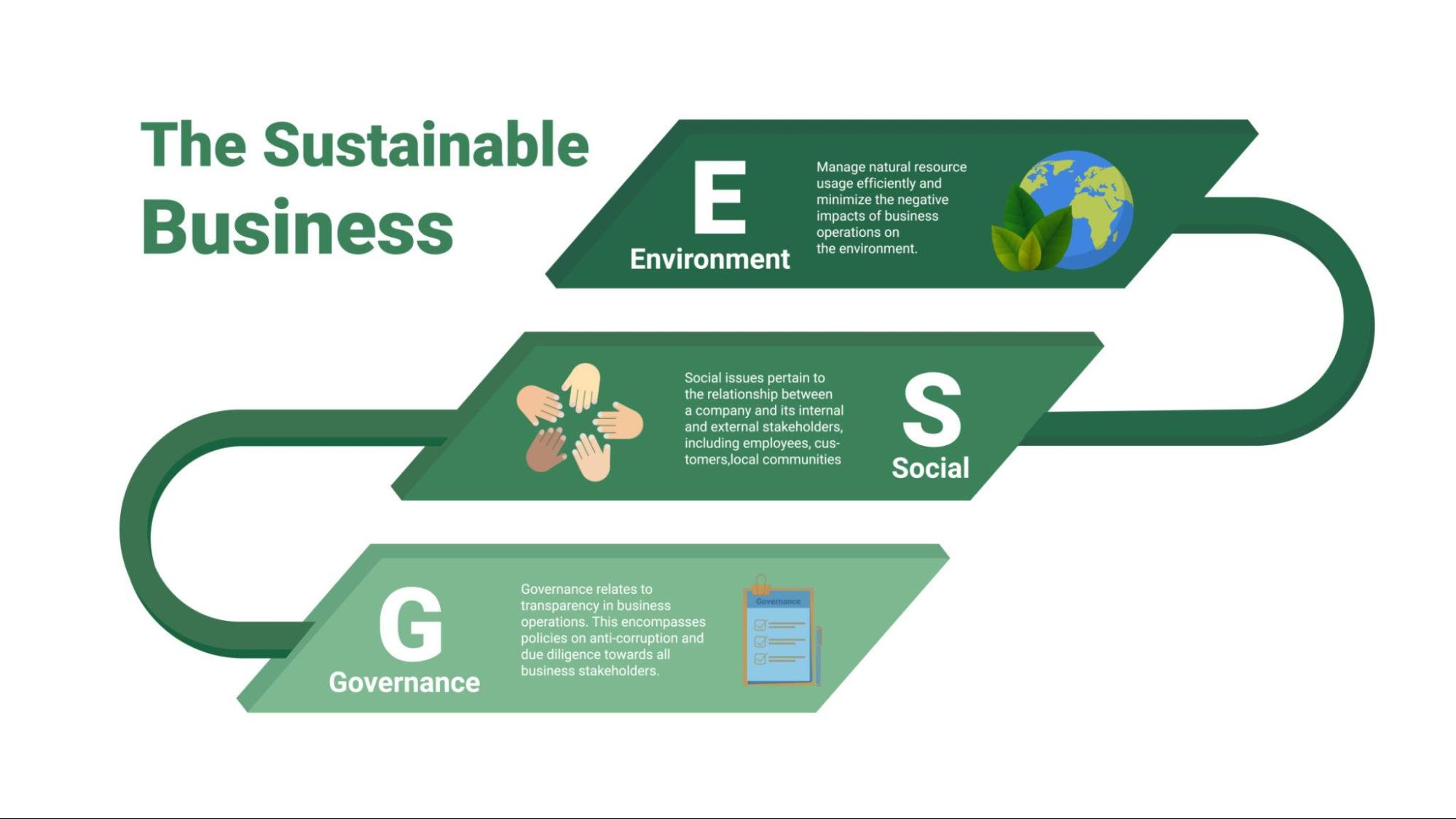
Business sustainability means operating in a way that balances:
- Profit
- Environmental responsibility
- Social impact
It focuses on long-term thinking instead of short-term gains.
Examples:
- Reducing waste
- Using renewable energy
- Ethical sourcing
- Sustainable packaging
- Remote work optimization
Sustainability is about building businesses that can thrive responsibly over time.
Why Sustainability Matters More in 2026

Several global trends are driving this shift.
1. Consumers Are More Conscious
Modern consumers care about:
- Product origins
- Packaging waste
- Ethical labor
- Carbon footprint
Especially Gen Z and Millennials.
People increasingly support brands aligned with their values.
2. Investors Prefer Sustainable Companies
Investors now analyze:
- ESG (Environmental, Social, Governance) performance
- Long-term sustainability risks
- Climate impact
Sustainable companies often appear more future-ready and stable.
3. Regulations Are Increasing
Governments worldwide are introducing:
- Emission regulations
- Sustainability reporting requirements
- Waste reduction policies
Businesses must adapt proactively.
Sustainability as a Competitive Advantage
Sustainability creates advantages beyond reputation.
1. Stronger Brand Loyalty
Customers trust businesses that demonstrate responsibility.
- Emotional connection
- Community trust
- Long-term loyalty
Trust has become a major business asset.
2. Lower Operational Costs
Sustainable practices often reduce expenses.
- Energy-efficient systems
- Reduced packaging costs
- Waste reduction
Sustainability can improve profitability.
3. Better Talent Attraction
Employees increasingly want purpose-driven workplaces.
- Skilled talent
- Younger professionals
- Long-term employees
4. Innovation Opportunities
Sustainability encourages businesses to rethink:
- Products
- Supply chains
- Processes
This often leads to innovation and differentiation.
Examples of Sustainable Business Practices
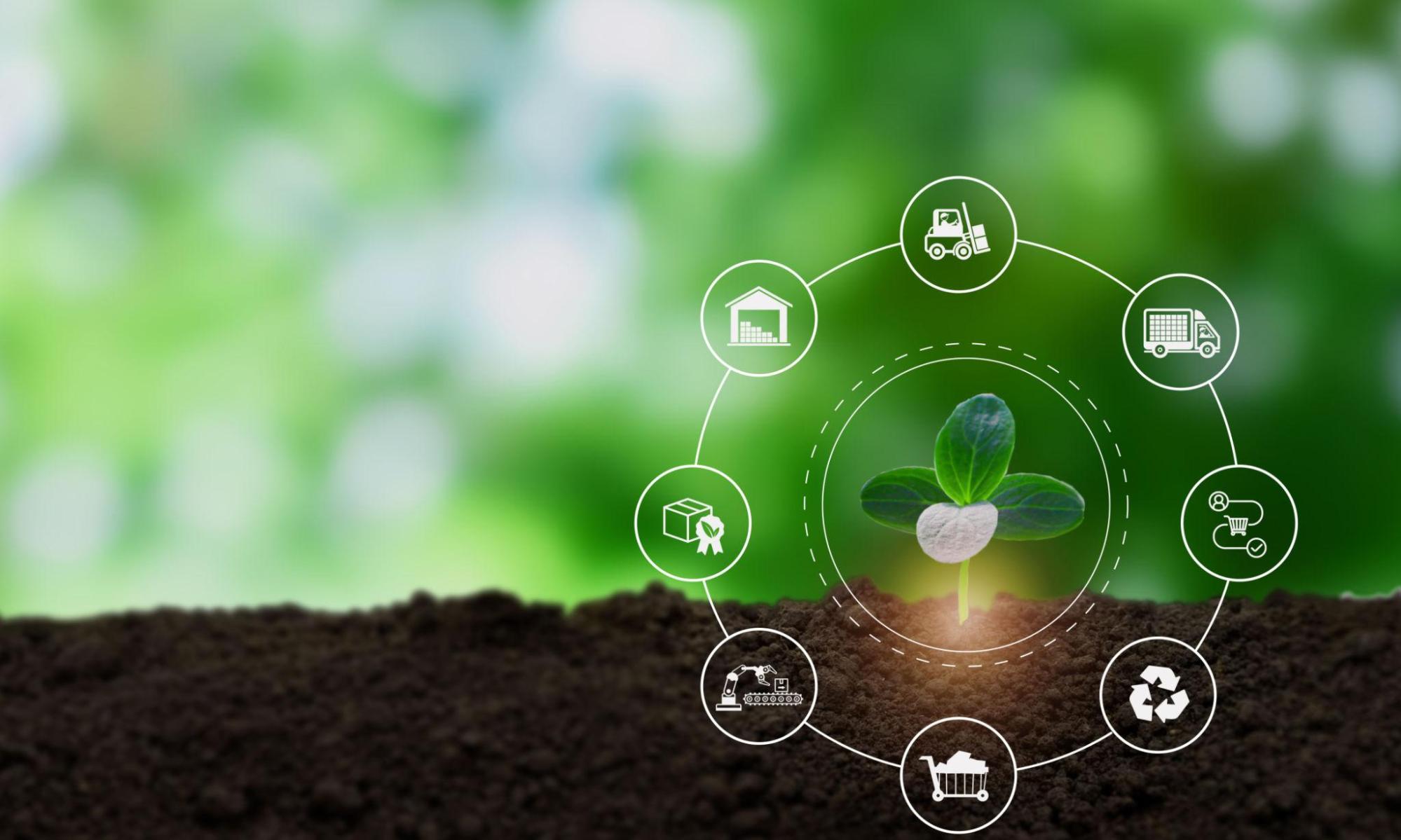
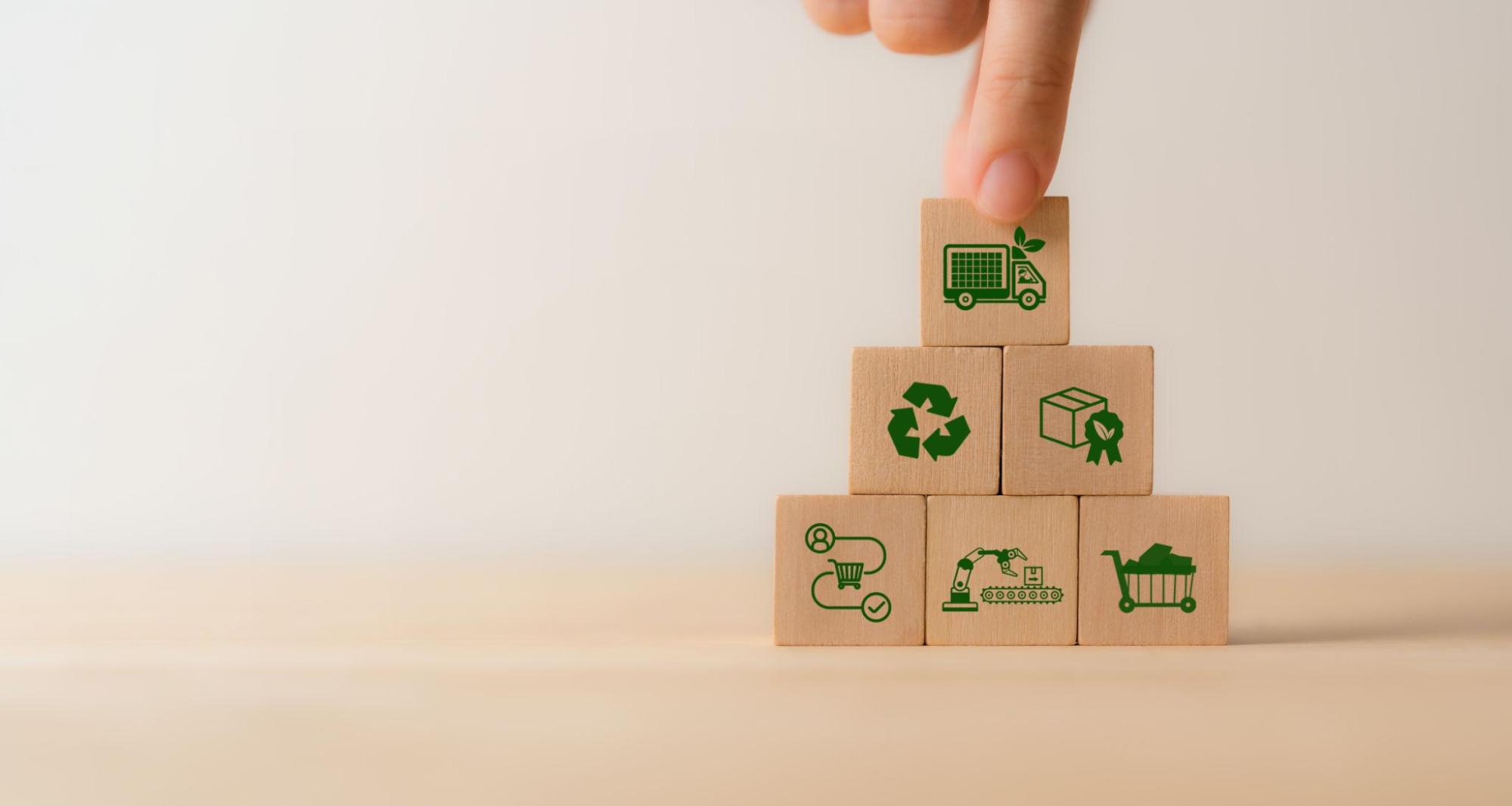
- Eco-Friendly Packaging — Reducing plastic and waste.
- Renewable Energy — Using solar or energy-efficient systems.
- Ethical Sourcing — Working with responsible suppliers.
- Digital Operations — Reducing paper usage and unnecessary travel.
- Circular Economy Models — Reusing and recycling materials.
Sustainability and Customer Behavior

Consumers in 2026 are not only buying products—they are buying values.
Customers now ask:
- Is this ethical?
- Is it environmentally friendly?
- Does this brand align with my beliefs?
Sustainability influences purchasing decisions more than ever.
Common Mistakes Businesses Make
1. Greenwashing
Pretending to be sustainable without real action damages trust.
- Fake claims
- Misleading marketing
- Inconsistency
Authenticity matters.
2. Treating Sustainability as Marketing Only
Sustainability should be part of operations—not just advertisements.
3. Ignoring Long-Term Thinking
Short-term profits can create long-term environmental and financial risks.
How Small Businesses Can Start
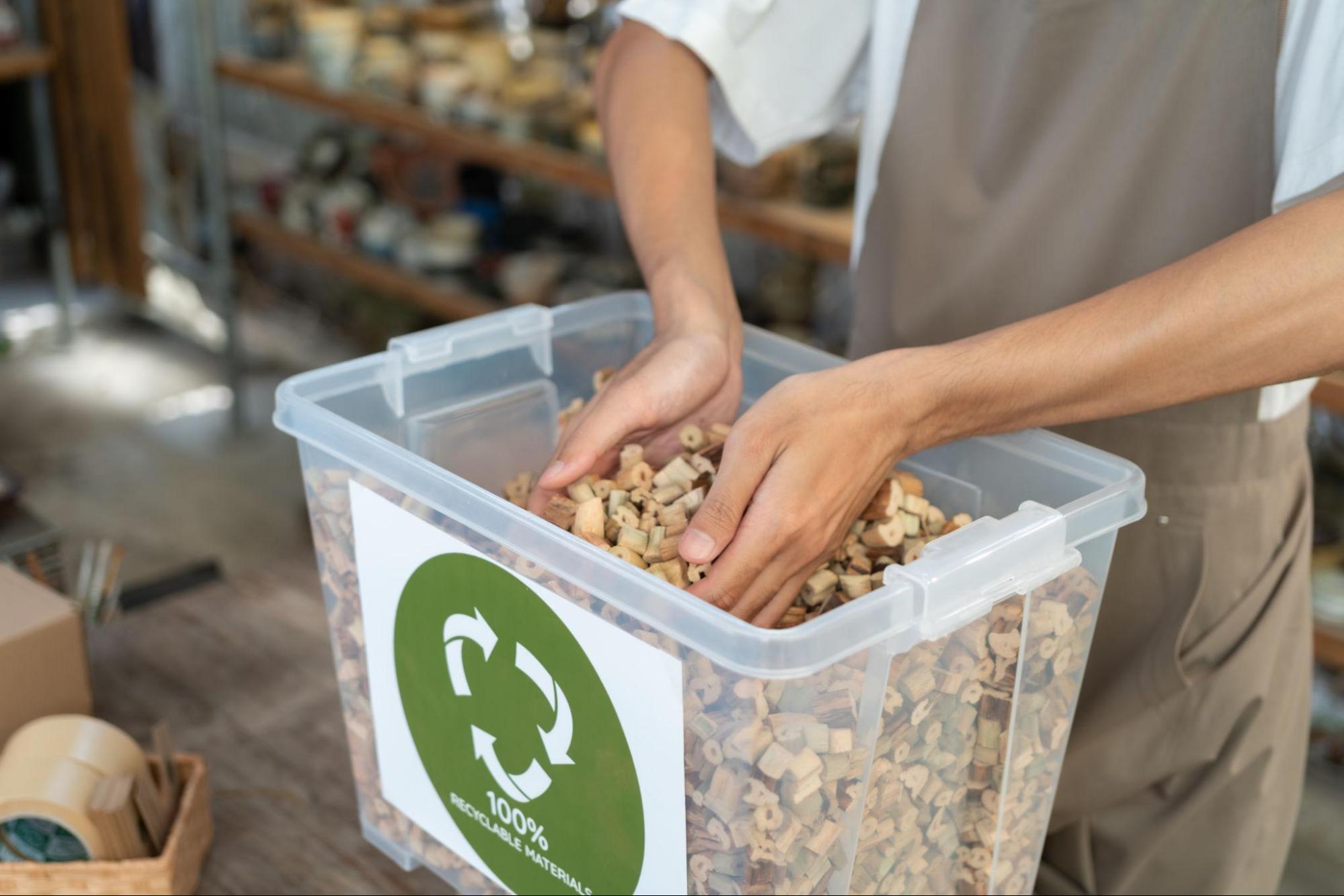
You don’t need a massive budget to become more sustainable.
Simple First Steps:
- Reduce waste
- Use digital invoicing
- Improve energy efficiency
- Choose local suppliers
- Reduce unnecessary packaging
Small consistent changes matter.
Sustainability and Profitability Can Coexist
One of the biggest myths is:
“Sustainability hurts profits.”
In reality:
- Efficient operations save money
- Sustainable brands build loyalty
- Long-term thinking reduces risk
Modern businesses increasingly see sustainability as smart economics—not charity.
Future of Sustainable Business
- Consumer trust
- Hiring decisions
- Investment opportunities
- Brand reputation
- Government policies
Businesses that adapt early gain a significant advantage.
Final Thoughts
Sustainability in 2026 is no longer a side initiative.
It has become:
- A business strategy
- A branding advantage
- A growth opportunity
- A long-term survival factor
The businesses that succeed in the future will not just focus on profits—they will focus on responsible growth.
Conclusion
Sustainability is becoming one of the strongest competitive advantages for modern businesses.
Companies that embrace sustainable practices can:
- Build stronger trust
- Improve efficiency
- Attract loyal customers
- Future-proof their operations
In 2026, sustainability is not just good ethics—it’s smart business.