Introduction: The Big Question in 2026
In 2026, making money is no longer limited to traditional jobs. With digital platforms, AI tools, and global access, people now have two powerful paths:
Build a startup
Start a side hustle
Both can lead to financial freedom—but they are very different in risk, time, and growth.
So, which one should you choose?
This guide will break down everything you need to know so you can make the right decision based on your goals, lifestyle, and mindset.
What is a Startup?

A startup is a business designed to grow fast and scale.
Key Features:
- High growth potential
- Requires significant time and effort
- Often needs funding or investment
- Focus on innovation
- SaaS platforms
- Tech companies
- AI-based products
Build something that can grow rapidly and potentially become a large company.
What is a Side Hustle?
A side hustle is a way to earn extra income alongside your main job.
Key Features:
- Low risk
- Flexible timing
- Minimal investment
- Slow but steady growth
- Freelancing
- Content creation
- Dropshipping
- Selling digital products
Earn additional income without leaving your main job.
Startup vs Side Hustle: Key Differences
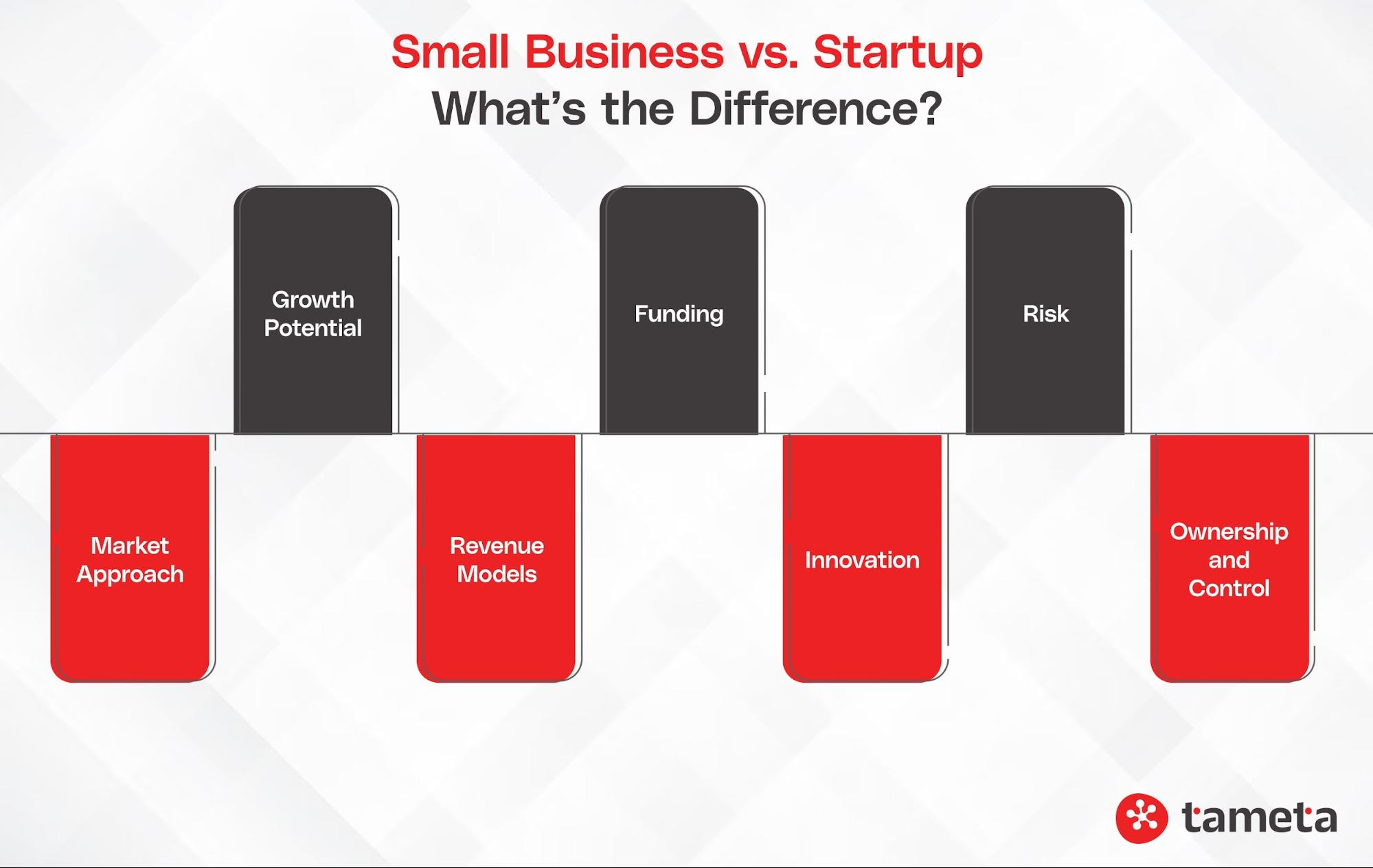
| Factor | Startup | Side Hustle |
|---|---|---|
| Risk | High | Low |
| Investment | Medium to High | Low |
| Time Commitment | Full-time | Part-time |
| Growth | Fast & scalable | Gradual |
| Income | Delayed but large | Immediate but limited |
When Should You Choose a Startup?
- 1. You Want Big Growth
You aim to build a large, scalable business. - 2. You Can Take Risks
Startups involve uncertainty and financial risk. - 3. You Can Commit Full-Time
It requires dedication and long hours. - 4. You Have a Strong Idea
Your idea solves a real problem at scale.
When Should You Choose a Side Hustle?
- 1. You Want Financial Safety
You don’t want to risk your main income. - 2. You Have Limited Time
You can only work evenings or weekends. - 3. You Want to Test Ideas
It’s a great way to validate before going full-time. - 4. You Prefer Flexibility
You control your schedule.
Can a Side Hustle Become a Startup?
Yes—and this is the smartest path in 2026.
Many successful startups began as side hustles.
Example Path:
- Start freelancing
- Build an audience or clients
- Create product/service
- Scale into a startup
Insight:
Start small → Validate → Scale big
Pros and Cons
Startup
Pros:
- High earning potential
- Scalable
- Long-term success
Cons:
- High risk
- Stressful
- Requires time and investment
Side Hustle
Pros:
- Low risk
- Flexible
- Quick income
Cons:
- Limited growth
- Slower scaling
- Time management challenges
How to Decide (Simple Framework)
- 1. What is your goal?
Extra income → Side hustle
Big business → Startup - 2. How much risk can you take?
Low → Side hustle
High → Startup - 3. How much time do you have?
Limited → Side hustle
Full-time → Startup
Trends in 2026
- AI-powered businesses are booming
- Remote work enables side hustles
- Creator economy is growing fast
- Low-cost startups are easier to build
- 👉 This makes both options more accessible than ever.
Final Thoughts: What Should You Choose?
There is no “one-size-fits-all” answer.
If you want security → choose a side hustle
If you want to scale → choose a startup
Best Strategy:
Start with a side hustle → Turn it into a startup.
This reduces risk and increases your chances of success.
Conclusion
In 2026, you don’t have to choose between safety and ambition—you can build both.
Start where you are. Use what you have. And grow step by step.
Your journey matters more than the path you choose.