Introduction: Why Lean Thinking Wins in 2026
In today’s fast-moving business world, speed matters more than perfection. Traditional business models often require months (or years) of planning before launch. But in 2026, that approach is too slow.
The lean business model focuses on building quickly, testing ideas, and learning from real feedback. Instead of wasting time and money, you create smarter, faster, and more adaptable businesses.
The goal?
Build fast, fail smart, and grow efficiently.
What is a Lean Business Model?
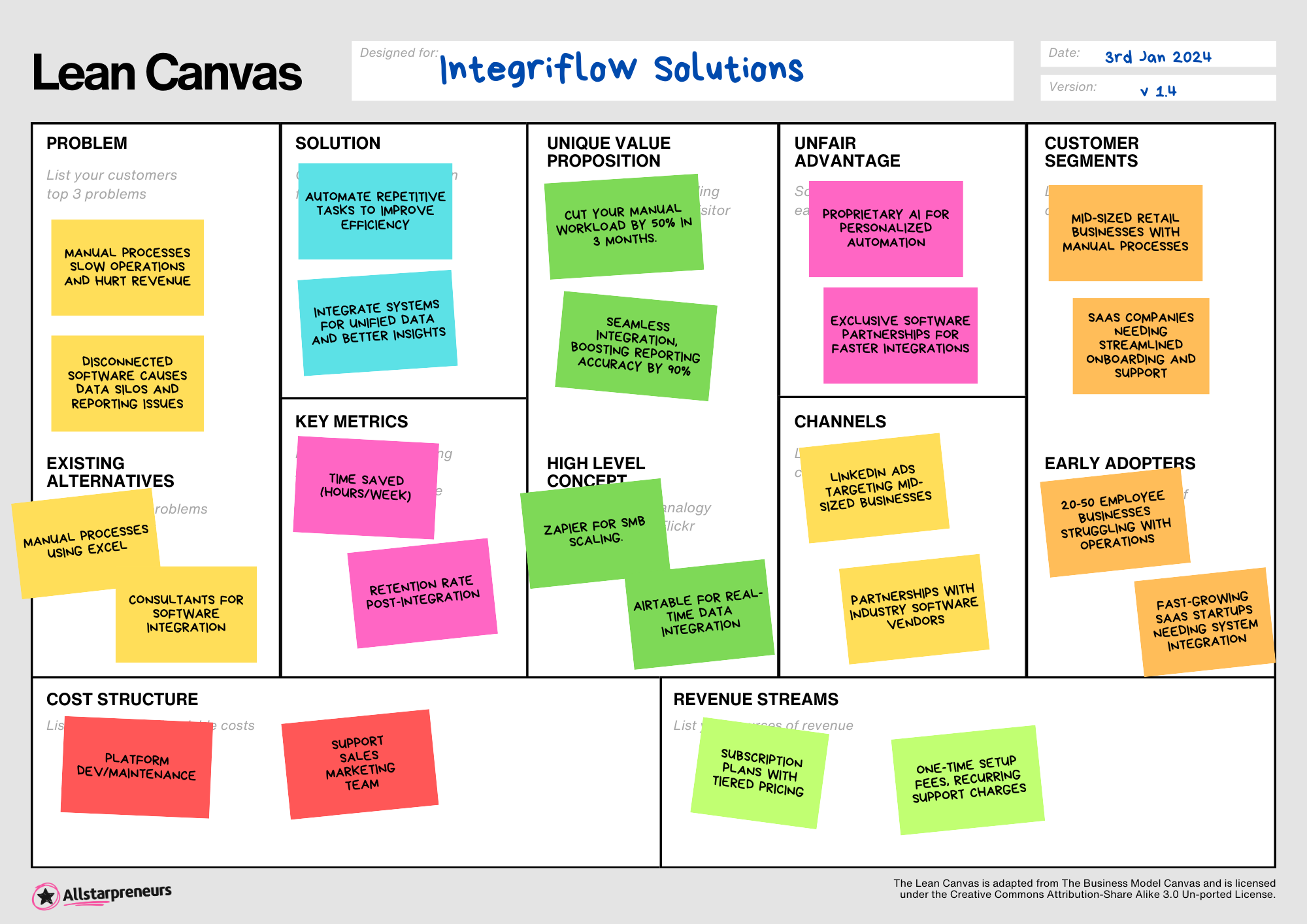
The lean business model is a strategy that focuses on:
- Rapid experimentation
- Customer feedback
- Continuous improvement
Core Idea:
Instead of building a perfect product, you build a Minimum Viable Product (MVP) and improve it based on user feedback.
Simple Definition:
A lean business model helps you test ideas quickly and reduce risk.
The Build-Measure-Learn Cycle
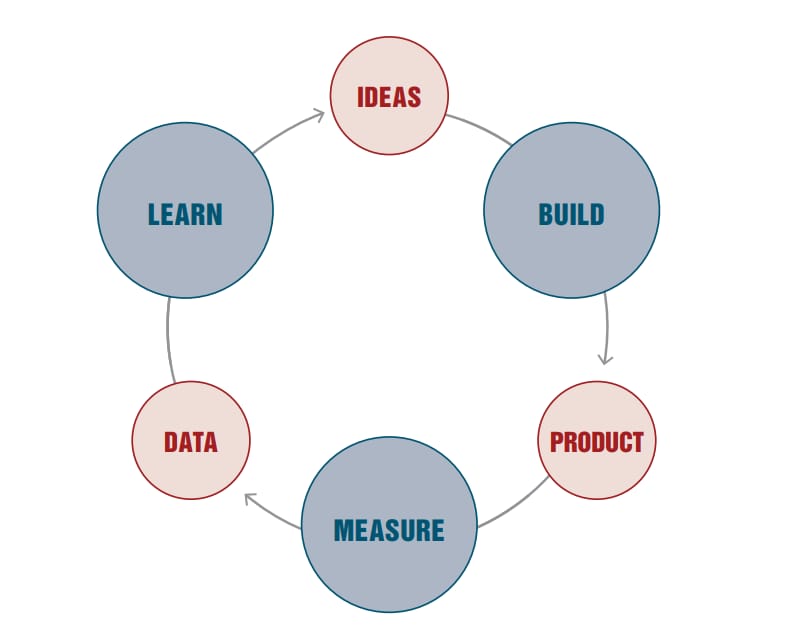
At the heart of lean methodology is a simple loop:
- Build
Create a basic version of your product (MVP). - Measure
Collect data and feedback from users. - Learn
Understand what works and what doesn’t.
Then repeat the cycle.
👉 This loop helps you improve continuously.
What is an MVP (Minimum Viable Product)?
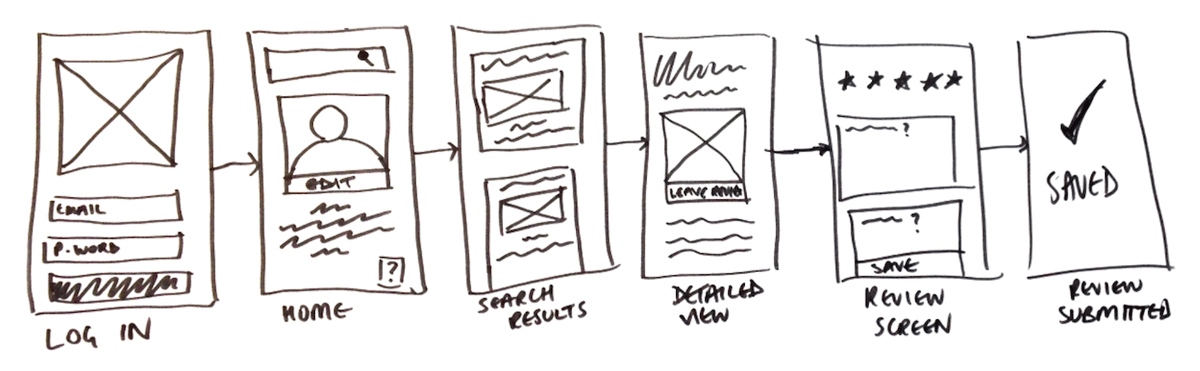
An MVP is the simplest version of your product that solves a problem.
Examples:
- A basic app with limited features
- A landing page validating an idea
- A simple service offering
Goal:
Launch quickly and learn from users.
Key Insight:
Done is better than perfect.
Benefits of the Lean Business Model

- Faster Launch
You don’t wait months—you launch quickly. - Lower Costs
No need for heavy upfront investment. - Reduced Risk
You test ideas before scaling. - Customer-Centric
You build what users actually want. - Continuous Improvement
You keep evolving your product.
Lean Business Model vs Traditional Model

| Lean Model | Traditional Model |
|---|---|
| Fast & flexible | Slow & rigid |
| Based on feedback | Based on assumptions |
| Low cost | High investment |
| Iterative | Fixed plan |
👉 Lean wins in dynamic markets like 2026.
How to Build a Lean Business (Step-by-Step)
- Identify a Problem
Find a real problem people face. - Create an MVP
Build the simplest solution. - Launch Quickly
Don’t wait for perfection. - Collect Feedback
Talk to users and gather insights. - Improve & Iterate
Make changes based on feedback.
Real-World Example
Many successful companies started lean:
They launched basic versions
Tested ideas
Improved continuously
This approach helped them grow faster with less risk.
Common Mistakes to Avoid
- Overbuilding the Product
Spending too much time before launch. - Ignoring Feedback
Not listening to users. - Fear of Failure
Avoiding testing due to fear. - Lack of Iteration
Not improving based on results.
When Should You Use Lean?
Lean is perfect for:
- Startups
- New product launches
- Side hustles
- Entrepreneurs with limited budget
Final Thoughts: Fail Smart, Not Hard
The lean business model teaches one important lesson:
👉 Failure is not the enemy—wasted time is.
By building fast and learning quickly, you reduce risk and increase your chances of success.
Conclusion
In 2026, the winners are not the ones who plan the most—they are the ones who adapt the fastest.
Start small. Launch fast. Learn continuously.
That’s the power of the lean business model.