I
n today’s uncertain economic environment, many investors prefer stable and predictable income instead of high-risk investments. for retirees, conservative investors, or individuals seeking regular cash flow, monthly income schemes (mis) have become a popular financial solution.
a monthly income scheme is designed to provide regular monthly payouts from a one-time investment, helping investors manage expenses without worrying about market volatility. one of the most widely known options in india is the post office monthly income scheme, which offers government-backed security and predictable earnings.
but how exactly can a monthly income scheme generate fixed income for five years? let’s explore how this investment works, its benefits, and whether it fits your financial goals.
What Is a Monthly Income Scheme?
A Monthly Income Scheme (MIS) is a savings or investment plan where an investor deposits a lump sum amount, and the scheme pays interest every month instead of waiting until maturity.
For example, in the Post Office Monthly Income Scheme:
- Investors deposit a fixed amount once
- Interest is calculated annually but paid monthly
- The scheme has a fixed tenure of 5 years
- At maturity, the original investment (principal) is returned to the investor (IndiaFirst Life Insurance)
This structure makes MIS a preferred choice for individuals looking for regular monthly cash flow.

How the 5-Year Monthly Income Model Works
To understand how MIS generates income, let’s break down the process step by step.
Step 1: Lump Sum Investment
The investor deposits a one-time amount in the scheme.
For example:
₹1 lakh
₹5 lakh
₹9 lakh (maximum for single account)
The minimum investment requirement is usually around ₹1,000, depending on the scheme rules. (SBI Life Insurance)
Step 2: Fixed Interest Rate
The interest rate for the Post Office MIS is around 7.4% per year (2025–26). (cleartax)
This rate is determined by the government and revised periodically.
Unlike equity investments, the returns here are predictable and stable.
Step 3: Monthly Interest Payout
Instead of receiving the interest at maturity, the scheme distributes it every month.
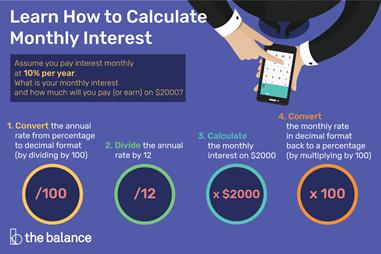
Formula:
Monthly Income = Investment × Interest Rate ÷ 12
For example:
Investment = ₹1,50,000
Interest rate = 7.4%
Monthly Income:
₹1,50,000 × 7.4% ÷ 12
≈ ₹925 per month (Groww)
This income continues for the entire 5-year tenure.
Step 4: Return of Principal
After completing the five-year period:
The investor receives the entire principal amount back.
The investor can choose to withdraw the funds or reinvest.
This combination of regular income + capital safety is the key advantage of the scheme.

Key Features of a Monthly Income Scheme
- Government-Backed Security
Most popular MIS options such as the Post Office scheme are backed by the Government of India, making them low-risk investment options. (Canara HSBC Life Insurance) - Guaranteed Monthly Income
Investors receive fixed monthly interest payments, which makes budgeting easier for daily expenses.
This feature makes MIS ideal for:- Retirees
- Senior citizens
- Individuals seeking passive income
- Fixed 5-Year Tenure
The scheme typically runs for five years, giving investors a predictable timeline for their investment. (IndiaFirst Life Insurance) - Flexible Account Options
MIS accounts can be opened as:- Single account
- Joint account
- Minor account (with guardian)
- Affordable Investment
Minimum investment requirements are low, making the scheme accessible to many investors.
Maximum investment limits:- ₹9 lakh for single accounts
- ₹15 lakh for joint accounts (Policybazaar)
Who Should Invest in a Monthly Income Scheme?
A Monthly Income Scheme may be suitable for several types of investors.
Retirees
Retired individuals often need steady income to cover monthly expenses, making MIS a reliable option.
Conservative Investors
People who prefer low-risk investments rather than market-linked options may find MIS attractive.
Passive Income Seekers
MIS can serve as a secondary income source, especially for those looking to diversify their financial portfolio.
Advantages of Monthly Income Schemes
Here are some reasons why MIS remains a popular investment option:
Predictable Returns
The interest rate is fixed, so investors know exactly how much they will earn each month.
Capital Protection
Since the principal is returned after five years, the initial investment remains safe.
Simple Investment Structure
Unlike complex market investments, MIS is easy to understand and manage.
Stable Cash Flow
Monthly payouts help investors manage recurring expenses like household costs, medical bills, or utility payments.
Limitations to Consider
While MIS offers stability, it also has a few limitations.
Interest Is Taxable
The interest earned from MIS is fully taxable under income tax rules. (SBI Life Insurance)
Lower Returns Compared to Equity
Since it is a low-risk investment, the returns may be lower compared to stock market investments.
Inflation Risk
If inflation rises significantly, the real value of the monthly income may decrease.
Smart Strategy for Investors
Financial planners often recommend combining MIS with other investment options.
For example:
MIS for stable income
Mutual funds for growth
Fixed deposits for emergency savings
This diversified approach helps balance risk, returns, and financial security.
Final Thoughts
A Monthly Income Scheme can be a powerful financial tool for investors who want predictable earnings without taking significant risks. With a fixed tenure of five years, regular monthly payouts, and government-backed security, MIS provides a reliable way to generate income from savings.
Whether you are planning for retirement, seeking passive income, or simply looking for a safe investment, a Monthly Income Scheme can help create financial stability and peace of mind.